
How to Care for Your Teacup Miniature Schnauzer Puppy
What Do I Need to Have Before Baby Comes Home?
There are 12 items that we highly recommend you have in preparation for your new little one.
We have done the work for you and gathered them all in our store. Since we use them, we thought that you might also like to. Tested and true!
Initially, depending on how old your baby is when it comes home, you may want to consider a cat collar, as they are lighter and less bulky. They also look stunning, whether male or female, while you are out and about.
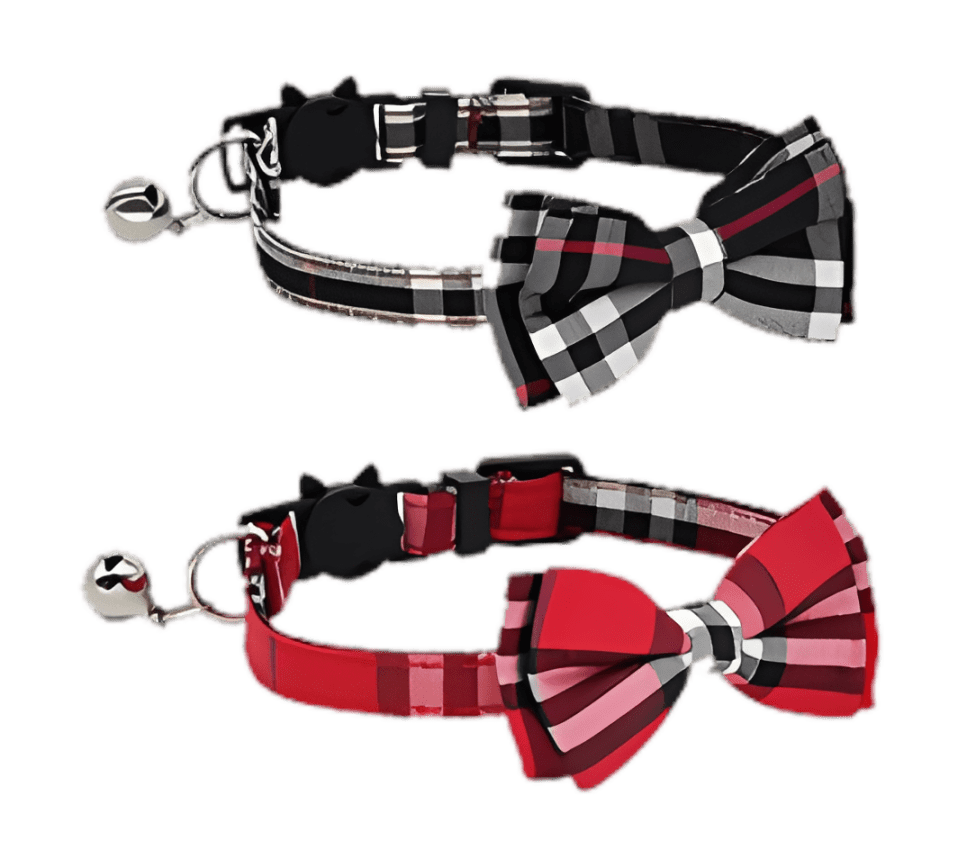

A small harness/collar/leash. They prefer the harness to start with, and then as they age, the collar becomes more practical. There are several to choose from.
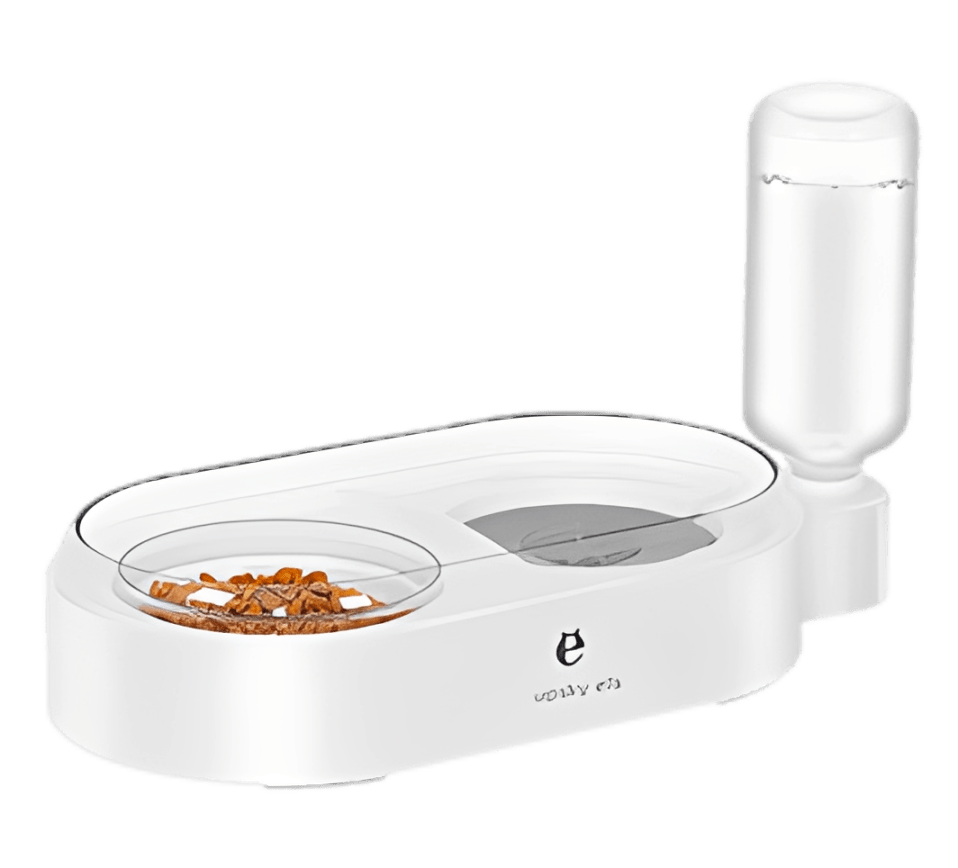
This food-and-water dish helps keep food out of the water. In turn, it is healthier for the puppy.
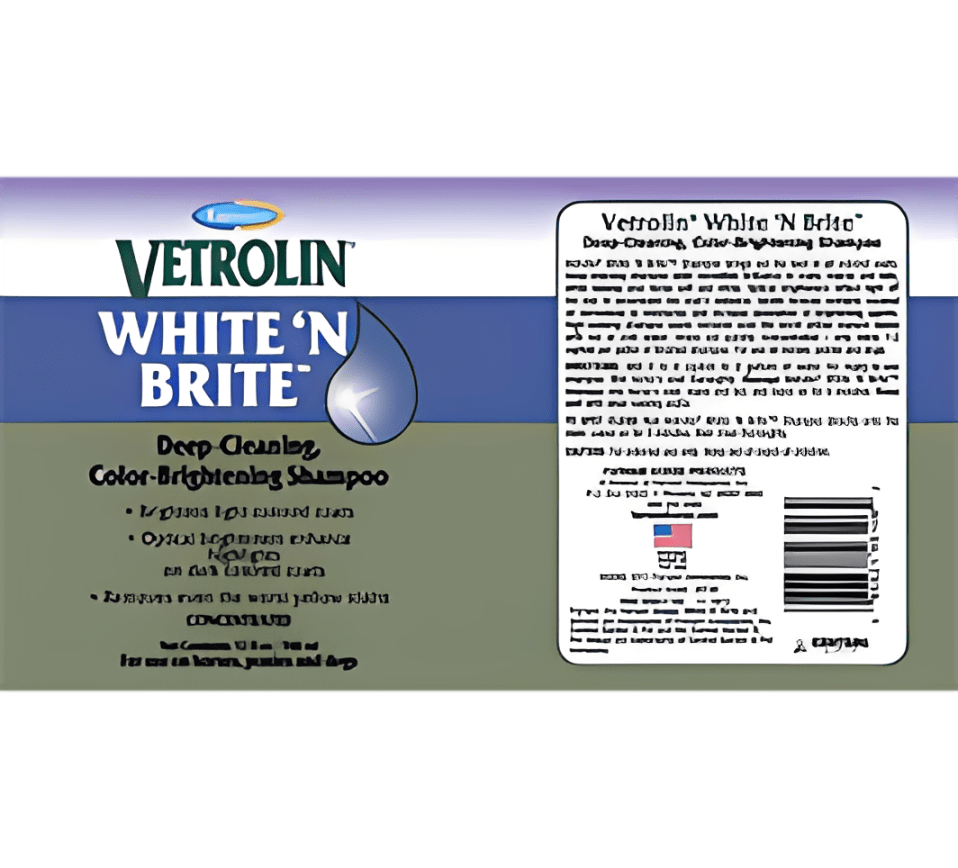
Your choice of shampoo is crucial. It should be one that will do the job on tough stains but will still be gentle on the eyes and skin. Being around a lot of animals, we need one that is versatile on both dark and light coats. We prefer White’n Brite shampoo as it is concentrated and removes stubborn yellow stains.
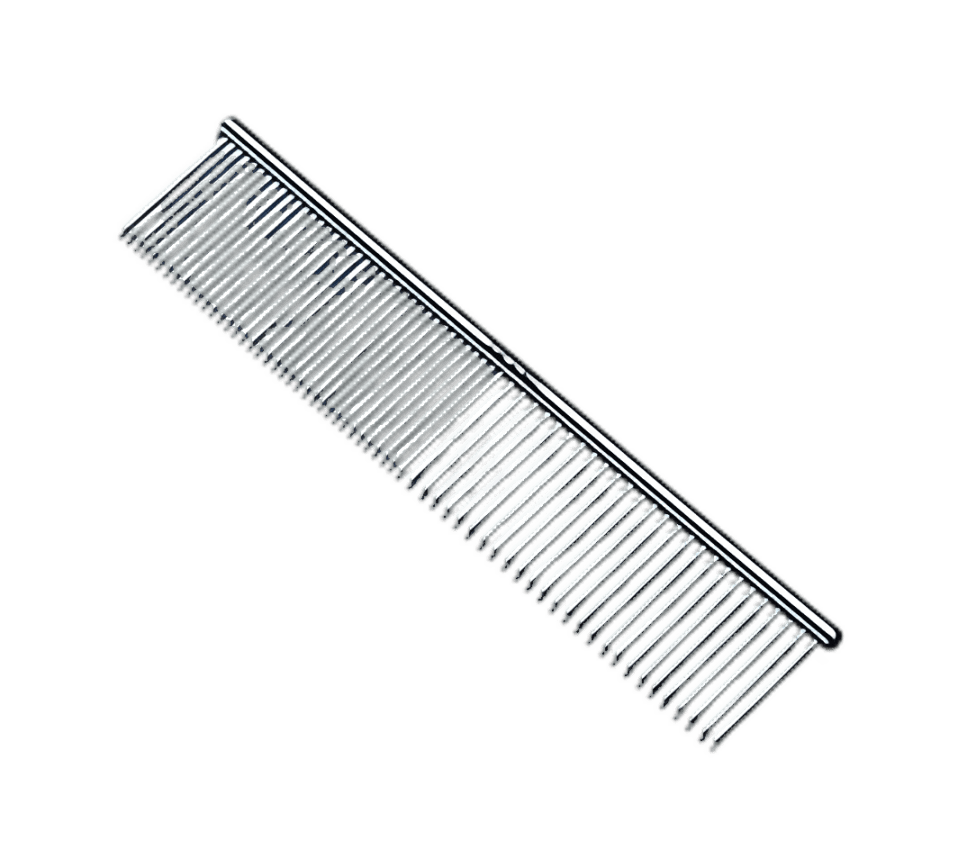
Keeping your baby free of tangles is important if you do not want him coming home from the groomers looking like a naked rat! A gentle comb through once or twice a week will make all the difference. We find that a comb does a better job than a brush as it gets down to the skin. We only use Greyhound combs like this one.
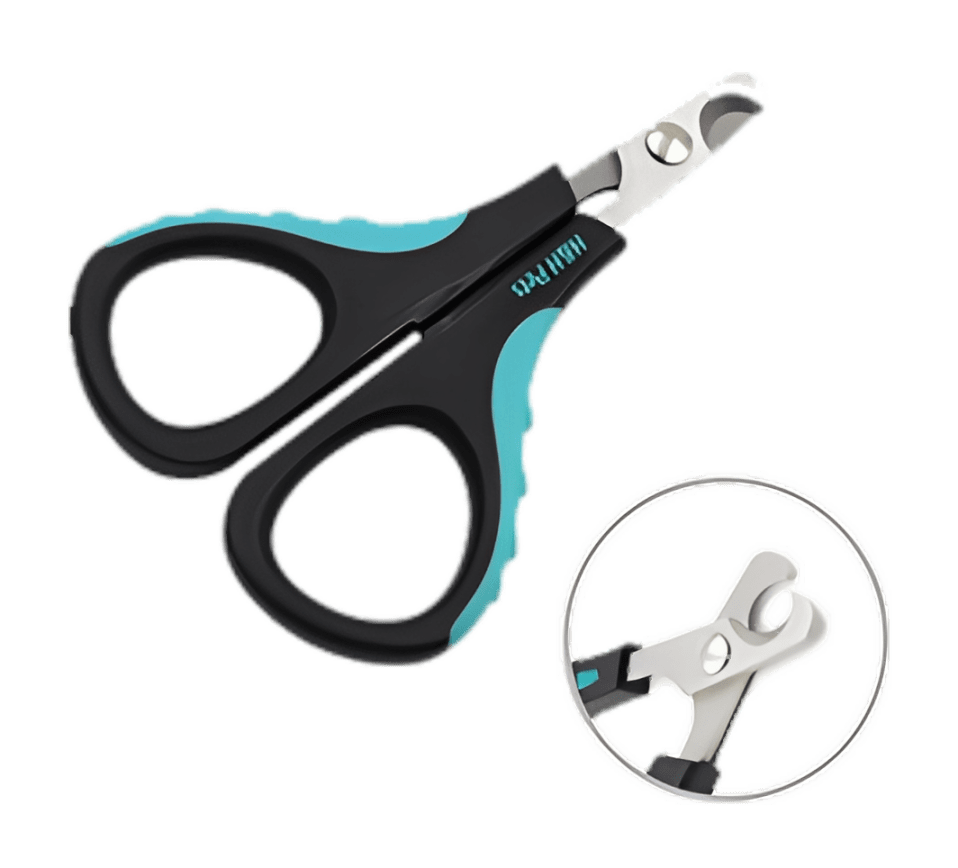
Toenail clippers (to clip his toenails every other week).
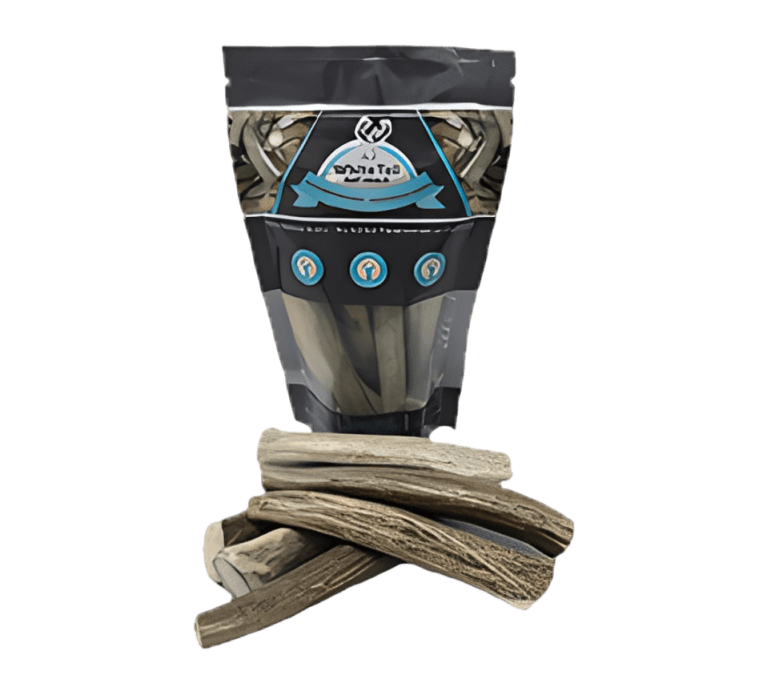
There are plenty of pet-approved things to chew on. If not, he may chew up your shoes/carpet/toes. We use and sell Antler Chews.
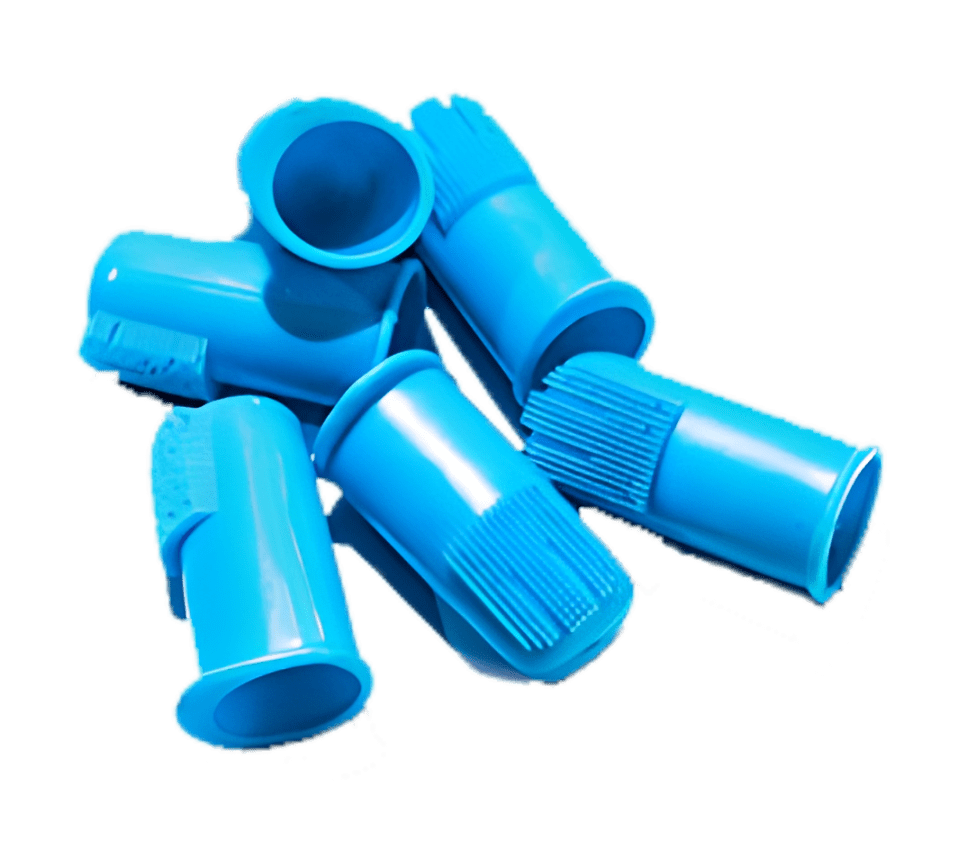
We cannot stress the importance of a dog toothbrush enough. This will save you hundreds of dollars a year if you brush his teeth instead of having the vet clean them. We sell fingertip toothbrushes for our young pups to learn to have their teeth brushed, even before all their teeth are in. We practice with them before they go home so that they are used to having it done. Please continue!
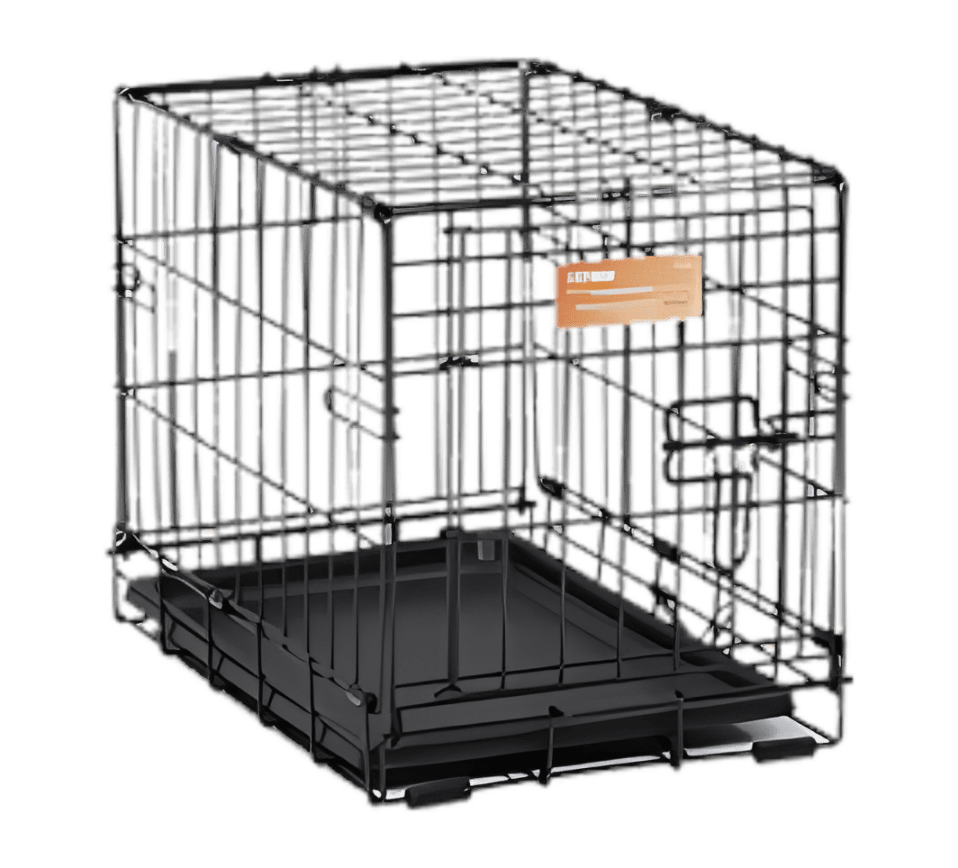
A small wire kennel for times of crating is critical. We strongly encourage you to give your new baby time in his new “den” or kennel. It is not a punishment but rather a safe place for him to rest. It needs to be large enough for him to sleep comfortably, but not so big that he can divide it up into a bedroom and a bathroom!
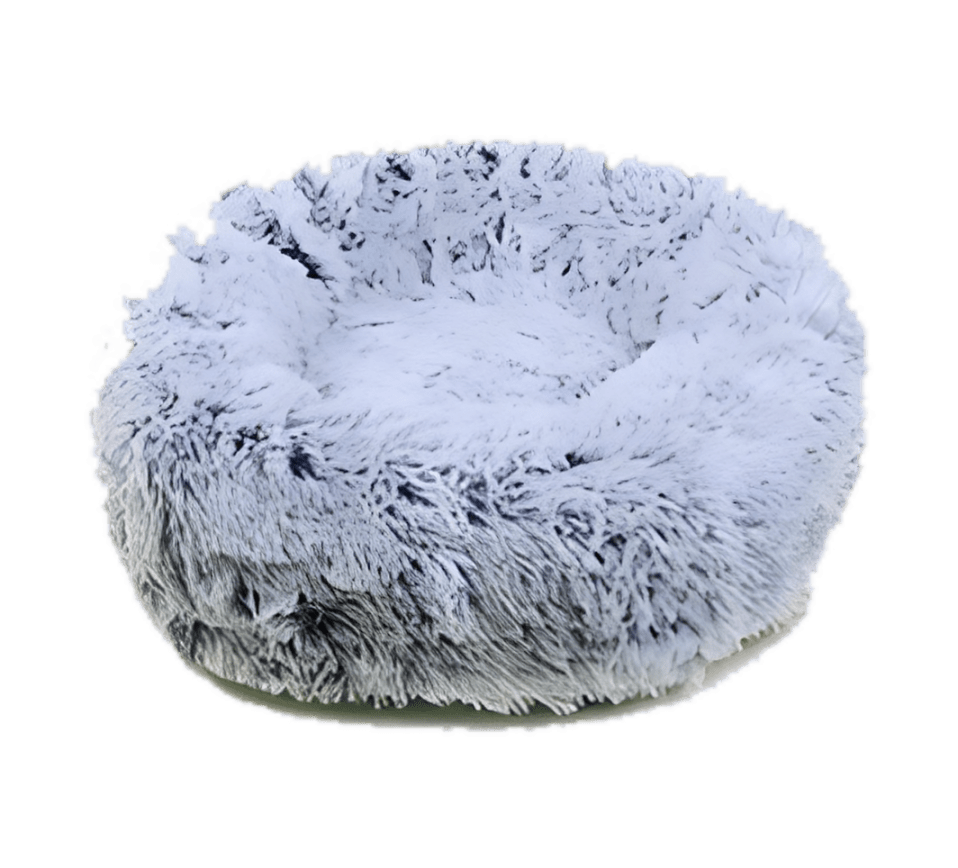
Keeping your baby calm in his new den can be as easy as the right bed. We highly recommend this bed, as it is designed to provide comfort and encourage being calm. It makes us want one in human size!
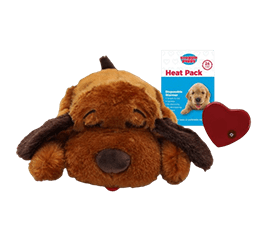
Depending on the age of your baby when it comes home, it may have recently been using a Heartbeat puppy to help adjust to sleeping without littermates. If so, you may want to purchase this little puppy, which has heat and a beat that makes your baby think it has a sibling.
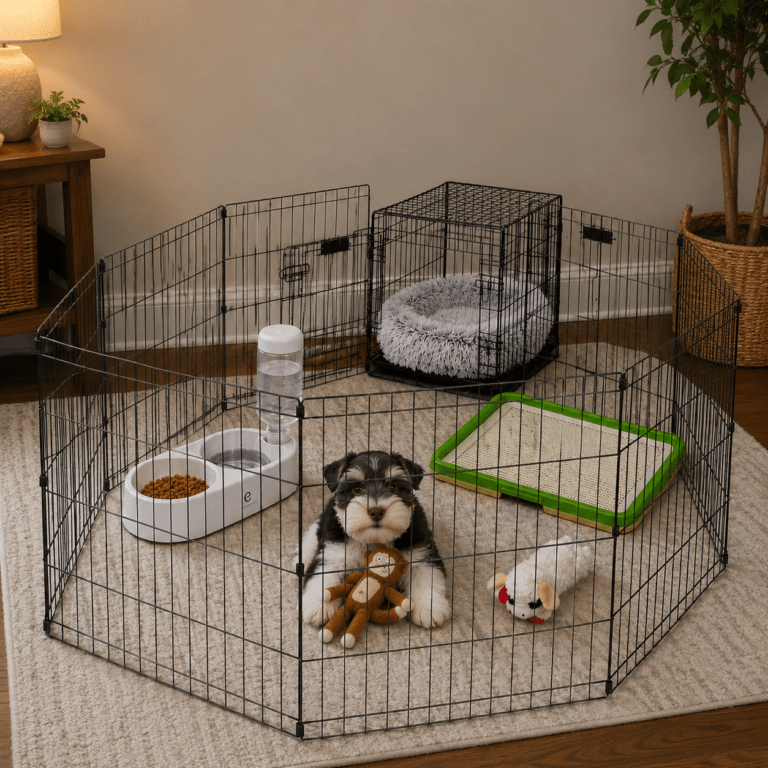
Giving your baby a safe place to “go” will help training be so much quicker. This will also make cleanup easy as the poop will not be scattered all over the yard. We use a portable x-pen because we can take it with us if we need to. We also suggest using it if you will be gone for a long time and your baby needs a place outside his crate. Check this one out.
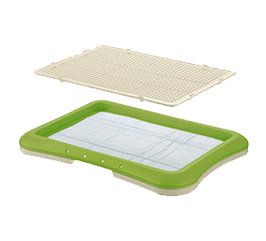

While in the x-pen, this puppy pad holder and puppy pads are a great way to extend how the puppy can comfortably be away from you. It is also a lifesaver at nighttime. The x-pen provides a contained area with a place for sleeping in the crate, a safe spot to play, and a perfect place to “go!”
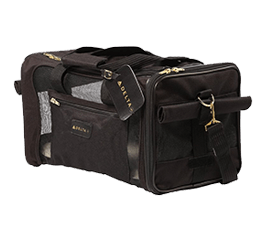
Lastly, when picking up your baby at the airport, you will need a carrier if you are taking him home with you on the plane. If we are delivering him to your airport, you will still want something to take him home in, and we suggest the same carrier that he arrived in. It is an “airline-guaranteed” carrier and will likely fit him for his entire life. It is our number one seller, and we have been using it for years.
Humans in a Schnauzer Body
When your new teacup miniature schnauzer puppy comes home, he will already be well acquainted with the sights and sounds of everyday family life. He will have enjoyed car rides, outdoor playtime, and likely spent many hours curled up with one of our grandchildren while the family watched Netflix.
Miniature Schnauzers are incredibly social dogs. In fact, they don’t seem to realize they’re dogs at all—they genuinely believe they’re part of the human family. They thrive on companionship and want to be involved in everything you do, whether you’re hiking a mountain trail, running errands, or relaxing on the couch for a Sunday afternoon football game.
Simply put, Schnauzers want to be wherever you are. They become devoted companions and loyal shadows, eager to share every moment of your day.
One of our first Schnauzers loved being with us so much as a puppy that he would scratch at the shower door until we let him join us. As he got older, he developed such a fondness for baths that he would race into the bathroom, jump into the tub, and patiently wait for someone to turn on the water. That’s the kind of personality that makes Miniature Schnauzers so special—they don’t just live with their families; they fully expect to be part of every family adventure.
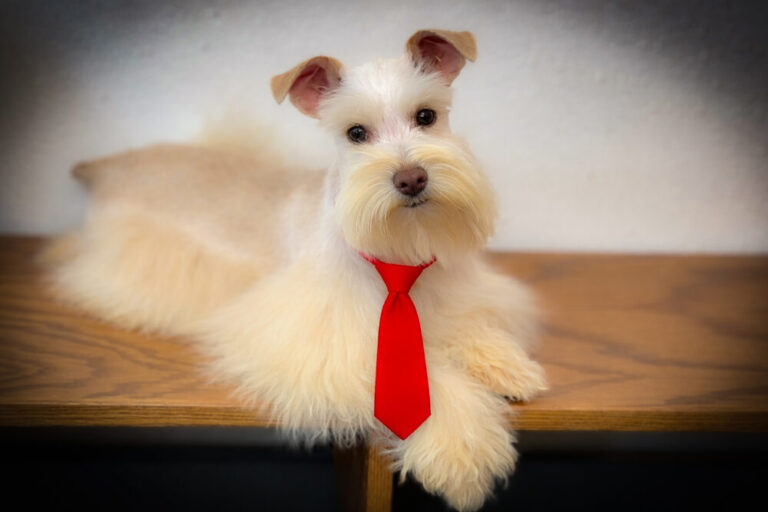
Welcome Home, Royal Schnauzer Puppy!
Bringing home a Royal Schnauzer is an exciting milestone, and we’re committed to making the transition as smooth and successful as possible for both you and your new family member.
Every Teacup Schnauzer puppy goes home with a thoughtfully prepared puppy package designed to support health, comfort, and training from day one.
Your Royal Schnauzer Puppy Package Includes:
🐾 Premium Puppy Food Starter Pack
A small supply of your puppy’s current food to help ensure a smooth dietary transition.
🐾 Comprehensive Training Guide
Helpful information on crate training, house training, leash manners, daily routines, and puppy development.
🐾 Microchip & Registration Documentation
Domestic and international microchip identification with registration and transfer paperwork.
🐾 Puppy Toothbrush
Everything you need to begin establishing healthy dental habits early.
Additional Benefits
🐾 Comfort Sleep Blanket
Puppies reserved and purchased before 10 weeks of age receive a comfort sleep blanket to help ease the transition into their new home and reduce separation anxiety.
🐾 30-Day AKC Pet Insurance Coverage
Available for puppies purchased with breeding rights and the associated breeding fee. Coverage provides added peace of mind during your puppy’s transition period.
What to Remember
Early Training the Royal Schnauzer Way
At Royal Schnauzers, we begin laying the foundation for successful house training at an early age.
Beginning at four weeks of age, our puppies are introduced to a designated litter box area within their puppy pen. This early exposure helps them develop the habit of eliminating in a specific location while keeping their sleeping and play areas clean.
As the puppies mature, they learn to consistently seek out the litter box, creating an important foundation for future potty training. By establishing these habits early, we help make the transition to outdoor potty training and house training easier for their new families.
Nutrition & Routine Development
At Royal Schnauzers, we carefully guide each puppy through the transition from nursing to independent eating.
Beginning at 3-4 weeks of age, puppies are introduced to a lick pad with a specially prepared puppy mash. This gentle introduction encourages exploration, builds confidence, and helps puppies learn to eat solid food in a positive and enjoyable way.
Between 4 and 5 weeks of age, puppies are gradually introduced to premium dry food and fresh water. We carefully manage the transition from mother’s milk to kibble while establishing a consistent feeding schedule.
By 6 weeks of age, our puppies are following a daily routine that includes eating, sleeping, playtime, socialization, and litter box training. This structured approach helps create confident, well-adjusted puppies and provides families with a valuable head start when continuing training at home.
Developmental Timeline:
- 3-4 weeks: Introduced to lick pads and puppy mash
- 4 weeks: Introduced to litter box training
- 4-5 weeks: Introduced to kibble and water
- 6 weeks: Following a consistent routine and using the litter box regularly
This timeline helps prospective owners understand the intentional steps Royal Schnauzers takes to prepare puppies for success before they ever leave for their new homes.
The Royal Schnauzers’ Difference
Our goal is not simply to raise beautiful toy miniature schnauzer companions—we strive to raise confident, healthy, and well-socialized companions that are prepared for a successful transition into your home and family.
From early socialization and routine development to ongoing support after adoption, we’re dedicated to helping every Royal Schnauzer puppy thrive for years to come. ❤️🐾
Potty Training
Potty Training Your Royal Schnauzers Puppy
Core Principles and Age-Specific Guidance
Potty training is built on consistency, supervision, and praise. Whether you are training a young puppy, a tween puppy, or an older puppy/adult dog, the goal is the same: prevent accidents when possible, reward success immediately, and help your dog understand the routine in your home.
Potty Training Basics for Every Age
Use a Consistent Schedule
Take your puppy or dog to the potty area at predictable times each day, especially:
-
First thing in the morning
-
After meals or drinking
-
After naps
-
After playtime
-
After crate time
-
Before bedtime
-
Before being left alone
-
Anytime they show signs they need to go
A predictable routine helps your dog learn when and where to potty.
Choose One Potty Spot
Use the same potty area each time. The familiar scent helps your puppy understand what they are there to do.
Use a leash when needed, even in a fenced yard, so potty time stays focused. Once your puppy goes, praise them right away.
If your home has a dog door, your puppy may eventually learn to use it independently, but do not rely on the dog door alone during training. At first, you should still guide your puppy outside, watch for success, and praise them immediately.
Use the Same Cue Words
Choose one simple phrase, such as:
-
“Go potty”
-
“Outside”
-
“Do your business”
Use the same phrase each time you take your puppy out. Over time, the words become part of the routine.
Supervise or Confine
Until your puppy is reliable, they should not have free access to the house. When you cannot watch closely, use a crate, playpen, or small safe area.
A properly sized crate can be very helpful because most dogs naturally prefer not to soil the place where they sleep.
Watch for Potty Signals
Take your puppy out immediately if you notice:
-
Sniffing
-
Circling
-
Pacing
-
Whining
-
Suddenly stopping play
-
Wandering away
-
Going toward the door
-
Acting restless
Responding quickly helps prevent accidents and teaches your puppy how to ask for help.
Handle Accidents Calmly
Accidents are part of the learning process. If you catch your puppy in the act, calmly interrupt and take them outside. If they finish outside, praise them.
If you find an accident later, do not scold. Clean the area with an enzyme cleaner and adjust your routine. Most accidents mean your puppy needed closer supervision, a quicker potty break, or less freedom.
Royal Schnauzers Sample Potty Routine
This is the routine we use and recommend as a helpful starting guideline, whether your home has a dog door or not. Adjust as needed based on your puppy’s age, size, appetite, activity level, and individual potty habits.
6:00 a.m. – Go outside to go potty
6:30 a.m. – Offer food and water
6:45 a.m. – Go outside to go pottyPlay time
Nap time12:00 p.m. – Go outside to go potty
12:30 p.m. – Offer food and water
12:45 p.m. – Go outside to go pottyPlay time
Nap time4:00 p.m. – Go outside to go potty
5:00 p.m. – Offer food and water
5:45 p.m. – Go outside to go pottyThis schedule gives your puppy repeated opportunities to succeed. The most important pattern is: potty first, then food or play, then potty again before rest or unsupervised time.
Very young puppies may need additional potty breaks between these times, especially after drinking, waking up, playing, or showing potty signals.
Young Puppy
Young puppies need the most structure because their bodies are still developing and they cannot hold it for long.
Best practices:
-
Take them out very frequently, often every 1–2 hours during the early adjustment period.
-
Go out immediately after waking, eating, drinking, playing, or leaving the crate.
-
Keep house freedom very limited.
-
Use a properly sized crate or safe play area when you cannot supervise.
-
Expect some accidents, but focus on preventing them through routine.
-
Keep nighttime potty breaks calm and boring.
A helpful routine is: potty, meal or play, potty again, then rest.
Adolescent Puppy
A tween puppy is past the tiny puppy stage but not fully mature. They may understand the routine but still have accidents if given too much freedom too soon.
Best practices:
-
Keep a regular potty schedule, even if they seem mostly trained.
-
Increase house freedom slowly, one area at a time.
-
Continue using the crate or safe area when unsupervised.
-
Watch for regression during growth, excitement, schedule changes, or new environments.
-
If accidents return, go back to more frequent potty breaks and closer supervision.
The biggest mistake at this stage is assuming your puppy is fully trained before the habit is truly reliable.
Mature Puppy or Adult
An older puppy or adult dog may still need potty training help, especially after moving to a new home. Even if they were trained elsewhere, they may need to learn the routine in your house.
Best practices:
-
Start with a beginner-level routine until they prove reliable.
-
Limit freedom at first and supervise closely.
-
Use a crate, leash, or gated area when needed.
-
Reward outdoor potty behavior immediately.
-
Watch for marking, especially in new environments.
-
Clean accidents thoroughly with enzyme cleaner.
-
If accidents are frequent, sudden, or unusual, consult a veterinarian to rule out medical causes.
Do not assume an older dog “should know better.” Show them clearly what success looks like in your home.
Final Reminder
Successful potty training comes from routine, not punishment. Use the same potty spot, the same cue words, the same schedule, and the same calm praise.
With patience, structure, and consistency, your Royal Schnauzers puppy can develop excellent potty habits and become a confident, well-mannered companion.
-
Naps
Nap Time for Your Royal Schnauzers Puppy
Core Principles and Age-Specific Guidance
Rest is one of the most important parts of raising a healthy, well-adjusted puppy. Puppies grow, learn, and recover during sleep. A puppy who does not get enough rest can become overstimulated, mouthy, cranky, accident-prone, or harder to train.
Nap time is not just “down time.” It is part of your puppy’s daily structure. A consistent nap routine helps with potty training, crate training, behavior, confidence, and adjustment to a new home.
Nap Time Basics for Every Age
Use a Predictable Routine
Puppies do best when their day has a clear rhythm. A helpful pattern is:
Potty → Food or play → Potty again → Nap
This gives your puppy a chance to use energy, go potty, and then settle safely before becoming overtired.
Create a Calm Resting Place
Your puppy should have a safe, quiet place to nap. This may be a crate, playpen, or small puppy-safe area.
A crate can be especially helpful because it gives your puppy a secure place of their own. The crate should feel calm and comfortable, not like punishment.
Keep the nap area away from heavy household traffic, loud noise, extreme temperatures, and places where children or other pets may disturb the puppy.
Do Not Wait Until Your Puppy “Crashes”
Many puppies do not naturally stop when they are tired. Instead, they may become more hyper, bitey, noisy, or difficult.
Signs your puppy may need a nap include:
-
Excessive biting or chewing
-
Zoomies or frantic energy
-
Barking or whining
-
Ignoring cues they usually know
-
Having more potty accidents
-
Acting restless or unable to settle
-
Getting overly excited with children, guests, or other pets
When you see these signs, your puppy may not need more play. They may need rest.
Keep Nap Time Positive
Nap time should be calm and matter-of-fact. Take your puppy potty first, then place them in their crate or resting area with a calm voice.
You may offer a safe chew, soft bedding, or a comfort item if appropriate. Avoid making nap time feel emotional or dramatic.
When your puppy wakes up, take them directly outside to potty before playtime begins.
Protect Your Puppy’s Sleep
Puppies need uninterrupted rest. Children should not wake the puppy, reach into the crate, or bother them while they are sleeping.
A sleeping puppy should be allowed to sleep. This helps them feel safe and teaches the household to respect the puppy’s resting space.
Royal Schnauzers Sample Nap Routine
This is a helpful daily structure that works alongside potty training, whether your home has a dog door or not. Adjust as needed based on your puppy’s age, activity level, and individual needs.
6:00 a.m. – Go outside to go potty
6:30 a.m. – Offer food and water
6:45 a.m. – Go outside to go pottyPlay time
Nap time12:00 p.m. – Go outside to go potty
12:30 p.m. – Offer food and water
12:45 p.m. – Go outside to go pottyPlay time
Nap time4:00 p.m. – Go outside to go potty
5:00 p.m. – Offer food and water
5:45 p.m. – Go outside to go pottyEvening play, family time, final potty break, then bedtime
The most important pattern is: potty first, then activity, then potty again before rest.
Very young puppies may need additional potty breaks before and after naps.
Young Puppy
Young puppies need a lot of sleep. They are growing quickly and can become overtired very easily.
Best practices:
-
Plan several naps throughout the day.
-
Use the crate or a safe resting area to help them settle.
-
Take them potty before and immediately after every nap.
-
Keep nap periods calm, quiet, and protected.
-
Do not expect a young puppy to stay awake and engaged for long periods.
-
Watch for overtired behavior such as biting, zoomies, whining, or sudden accidents.
For a young puppy, frequent naps are not optional. They are part of healthy development and good training.
Adolescent Puppy
An adolescent puppy may seem like they have more energy, but they still need structured rest. This stage can bring more independence, excitement, and testing of boundaries.
Best practices:
-
Continue using scheduled rest periods, especially after meals, walks, play, or training.
-
Do not assume your puppy no longer needs naps because they look older.
-
Use crate time or quiet time to prevent overstimulation.
-
Watch for regression in behavior when your puppy is tired.
-
Balance exercise with rest so your puppy does not become wound up or difficult to manage.
The biggest mistake at this stage is giving too much freedom and not enough structured rest.
Mature Puppy or Adult
An older puppy or adult dog may not need as many naps as a young puppy, but they still benefit from a predictable rest routine, especially when adjusting to a new home.
Best practices:
-
Provide a quiet place where they can rest undisturbed.
-
Use crate time or a safe area when needed, especially during transitions.
-
Allow rest after meals, walks, play, grooming, travel, or training.
-
Watch for stress-related restlessness in a new home.
-
Keep bedtime and wake-up routines consistent.
Do not assume an older dog will automatically know how to settle in a new environment. A calm routine helps them feel secure.
Final Reminder
A well-rested puppy is easier to train, easier to potty train, and more enjoyable to live with. Nap time helps your puppy’s body grow, gives their mind time to process learning, and prevents many behavior problems caused by overstimulation.
With a consistent routine, a calm resting place, and protected sleep time, your Royal Schnauzers puppy can learn to settle peacefully and feel secure in your home.
-
Doggie Door
Doggie Door Training for Your Royal Schnauzers Puppy
Core Principles and Age-Specific Guidance
A doggie door can be a wonderful tool for helping your puppy become more independent with potty habits. At Royal Schnauzers, our puppies are introduced to and trained with a doggie door before they ever go home. This gives them an early foundation and helps them understand that going outside is part of the potty routine.
Even with that foundation, a new home is still a new environment. Your puppy will need time to learn where your doggie door is, where it leads, and what the potty routine looks like in your home. A doggie door helps support potty training, but it should still be paired with routine, supervision, encouragement, and praise during the transition period.
Doggie Door Basics for Every Age
Continue the Potty Routine at Home
Because your Royal Schnauzers puppy has already been introduced to doggie door training, your job is to help them transfer that skill to your home.
Take your puppy outside at regular times, especially:
-
First thing in the morning
-
After meals or drinking
-
After naps
-
After playtime
-
After crate time
-
Before bedtime
-
Anytime they show signs they need to go
At first, guide your puppy to your doggie door and encourage them to go through it. Watch them go potty outside, then praise them immediately. This helps your puppy connect your home, your doggie door, your yard, and potty success.
Show Them Your Doggie Door
Even though your puppy has practiced using a doggie door before, your door may look, feel, or sound different. Some doors are heavier, louder, taller, darker, or placed in a different area of the home.
Practice both directions:
-
Inside to outside
-
Outside to inside
If needed, hold the flap open at first and encourage your puppy with a happy voice, treat, or gentle praise. Keep practice short and positive. Do not shove or force your puppy through the door.
Use the Same Cue Words
Use the same words you use during potty training, such as:
-
“Outside”
-
“Go potty”
-
“Use your door”
When your puppy goes through the doggie door and potties outside, praise them right away. Over time, they will understand that your doggie door leads to their potty area.
Supervise at First
A doggie door gives freedom, and freedom should be introduced gradually.
At first, do not assume your puppy will use the doggie door perfectly just because they have been trained with one before. Some puppies may go outside to play but forget to potty. Others may get distracted in a new yard and come back inside before finishing.
Stay close, watch their behavior, and continue praising successful outdoor potty trips.
Keep the Outside Area Safe
Before giving your puppy access to a doggie door, make sure the outdoor area is secure and puppy-safe.
Check for:
-
Secure fencing
-
No gaps under gates or fences
-
No access to pools, ponds, or irrigation ditches
-
No toxic plants, chemicals, or unsafe objects
-
Protection from larger animals
-
Shade and temperature safety
-
No areas where a small puppy could get stuck
Toy-size puppies should never be given access to an unsafe outdoor area.
Do Not Rely on the Doggie Door Too Soon
Your puppy has already started learning the doggie door routine, but they still need help adjusting to your home.
If accidents happen, return to the basics:
-
More scheduled potty breaks
-
More supervision
-
Less house freedom
-
More praise outside
-
Crate or playpen use when unsupervised
The doggie door should support training, not replace your involvement.
Royal Schnauzers Sample Doggie Door Routine
This is the routine we use and recommend as a helpful starting guideline, whether your home has a doggie door or not. If you do have a doggie door, use these times to guide your puppy through the door and praise them for going potty outside.
6:00 a.m. – Guide puppy outside to go potty
6:30 a.m. – Offer food and water
6:45 a.m. – Guide puppy outside to go pottyPlay time
Nap time12:00 p.m. – Guide puppy outside to go potty
12:30 p.m. – Offer food and water
12:45 p.m. – Guide puppy outside to go pottyPlay time
Nap time4:00 p.m. – Guide puppy outside to go potty
5:00 p.m. – Offer food and water
5:45 p.m. – Guide puppy outside to go pottyThe most important pattern is: potty first, then food or play, then potty again before rest or unsupervised time.
Once your puppy is confidently using your doggie door and consistently pottying outside, you can gradually allow more independence.
Young Puppy
Young puppies need the most help transferring doggie door training to a new home. They may already understand the concept, but they are still small, easily distracted, and not ready to be fully responsible for taking themselves out every time.
Best practices:
-
Show them where your doggie door is as soon as they come home.
-
Practice going through the door in both directions.
-
Guide them through the door during scheduled potty times.
-
Take them out frequently, often every 1–2 hours during the early adjustment period.
-
Praise immediately when they potty outside.
-
Keep house freedom very limited.
-
Supervise outdoor access.
For young puppies, the doggie door is a strong head start, but they still need you to lead the routine.
Adolescent Puppy
An adolescent puppy may understand the doggie door well but still need structure. This stage often brings more confidence, curiosity, and distraction.
Best practices:
-
Continue scheduled potty breaks, even if they can use the doggie door.
-
Watch for accidents caused by distraction or too much freedom.
-
Increase independence slowly.
-
Make sure they are using the door to potty, not just to play.
-
Praise outdoor potty behavior, even after they seem to understand.
-
Return to closer supervision if accidents happen.
The biggest mistake at this stage is assuming doggie door access means your puppy is fully potty trained.
Mature Puppy or Adult
An older puppy or adult dog may learn a doggie door quickly, especially if they have used one before. However, every home setup is different.
Best practices:
-
Show them your doggie door from both sides.
-
Use treats or praise to build confidence.
-
Walk them outside through the door at normal potty times.
-
Supervise until you know they are using the door appropriately.
-
Watch for marking or accidents in a new environment.
-
Limit freedom at first if the dog is new to your home.
-
Make sure the outdoor area is secure before allowing independent access.
Do not assume an older dog will automatically understand a new doggie door. Calm repetition helps them learn.
Safety Reminders
A doggie door should only lead to a safe, enclosed area. This is especially important for toy-size puppies.
Be cautious with:
-
Extreme heat or cold
-
Predators or large animals
-
Swimming pools or water features
-
Open gates
-
Unknown dogs
-
Lawn chemicals or garden products
-
Small gaps where a puppy could escape
If the outside area is not safe for unsupervised access, keep the doggie door closed or locked when you cannot supervise.
Final Reminder
Your Royal Schnauzers puppy comes home with an early foundation in doggie door training. Your job is to help them apply that training to your home, your yard, and your daily routine.
With patience, guidance, and consistency, your puppy can learn to use the doggie door confidently and safely as part of successful potty training.
-
Vaccinations
Vaccinations for Your Royal Schnauzers Puppy
Vaccinations are an important part of protecting your puppy’s health. They help reduce the risk of serious, contagious, and sometimes life-threatening diseases. Your Royal Schnauzers puppy will go home with the vaccine records we have completed up to that point, but your puppy will still need continued veterinary care and follow-up vaccinations after going home.
Because every puppy, home, location, and lifestyle is different, your veterinarian should guide your puppy’s final vaccine schedule.
Why Puppy Vaccines Require a Series
Puppies do not receive all of their protection from one shot. They need a series of vaccinations because their immune system is still developing.
Young puppies also receive temporary protection from their mother. This maternal protection is helpful early in life, but it can also interfere with how well a vaccine works. This is why puppies receive vaccines in a series until they are old enough for their veterinarian to consider the puppy series complete.
It is very important not to skip or delay recommended boosters. A puppy may look healthy and still be vulnerable if the vaccine series is not finished.
Core Vaccines
Core vaccines are vaccines recommended for dogs because they protect against serious diseases that can affect many dogs, regardless of lifestyle.
Your veterinarian will guide the exact timing, but core puppy protection commonly includes vaccines for:
-
Distemper
-
Parvovirus
-
Adenovirus/hepatitis
-
Leptospirosis
-
Rabies, according to state and local law
Rabies vaccination is required by law in many areas. Your veterinarian will tell you when your puppy is old enough for rabies vaccination and when boosters are due.
Lifestyle-Based Vaccines
Some vaccines are recommended based on your puppy’s lifestyle, exposure risk, location, travel plans, grooming, boarding, daycare, or contact with other dogs.
These may include vaccines such as:
-
Bordetella, often discussed for grooming, boarding, daycare, or frequent dog exposure
-
Canine influenza, depending on local risk and exposure
-
Lyme disease, depending on region and tick exposure
Not every puppy needs every lifestyle vaccine. Your veterinarian can help you decide what is appropriate for your puppy and your area.
Before the Puppy Series Is Complete
Until your veterinarian confirms that your puppy is appropriately protected, be careful about where you take them.
Avoid high-risk areas where unknown or unvaccinated dogs may have been, such as:
-
Dog parks
-
Pet store floors
-
Public potty areas
-
Rest stops
-
Busy sidewalks with heavy dog traffic
-
Boarding or daycare settings unless approved by your veterinarian
This does not mean your puppy should be isolated. Safe socialization is still important. You can introduce your puppy to trusted people, safe home environments, clean private yards, and healthy vaccinated dogs approved by your veterinarian.
For toy-size puppies, also remember that public outings can be physically tiring. Keep early experiences short, safe, and positive.
Keep Good Records
Keep your puppy’s vaccination record in a safe place and bring it to every veterinary appointment. Your veterinarian needs this record to know what has already been given and what is still due.
Your vaccine record may also be needed for:
-
Grooming appointments
-
Boarding
-
Training classes
-
Travel
-
Daycare
-
Licensing
-
Emergency veterinary care
Royal Schnauzers recommends taking a photo of your puppy’s vaccine record so you always have a copy available.
Watch After Vaccinations
Most puppies do well after vaccines. Mild tiredness or soreness can happen. Your veterinarian will tell you what is normal and what signs require a call.
Contact your veterinarian right away if your puppy has concerning symptoms after vaccination, such as:
-
Facial swelling
-
Trouble breathing
-
Repeated vomiting
-
Collapse
-
Severe weakness
-
Hives
-
Extreme lethargy
-
Pale gums
If something does not seem right, it is always better to call your veterinarian.
Young Puppy Guidance
A young puppy will likely still be in the middle of their puppy vaccine series when they go home.
Best practices:
-
Schedule a veterinary visit soon after bringing your puppy home.
-
Bring your Royal Schnauzers vaccine record to the appointment.
-
Follow your veterinarian’s booster schedule closely.
-
Avoid high-risk public dog areas until your veterinarian says your puppy is protected.
-
Keep socialization safe, clean, and controlled.
-
Do not skip boosters because your puppy seems healthy.
At this stage, protection is still building. Consistency matters.
Tween Puppy Guidance
A tween puppy may be closer to finishing the puppy series or may already have completed it, depending on age and veterinary schedule.
Best practices:
-
Confirm with your veterinarian whether the puppy series is complete.
-
Make sure rabies vaccination is completed according to local law.
-
Discuss lifestyle vaccines based on grooming, boarding, travel, daycare, or training classes.
-
Keep vaccine records updated and easy to access.
-
Continue avoiding unnecessary exposure if your veterinarian says any boosters are still due.
The biggest mistake at this stage is assuming the vaccine series is finished without confirming it.
Adult Puppy or Adult Dog Guidance
An older puppy or adult dog may need boosters, updated records, or a new vaccine plan if their history is incomplete.
Best practices:
-
Bring all available vaccine records to your veterinarian.
-
If records are missing, ask your veterinarian how to safely update protection.
-
Keep rabies current according to local law.
-
Discuss lifestyle vaccines based on your dog’s routine and exposure.
-
Keep annual wellness exams so your veterinarian can review vaccine needs and overall health.
If you are bringing an older puppy or adult dog into a new home, do not assume they are fully current unless you have records.
Final Royal Schnauzers Reminder
Vaccines are part of responsible puppy care, but they should be guided by a licensed veterinarian. Your Royal Schnauzers puppy will go home with the vaccine information we have completed, and your veterinarian will help you finish the schedule that is right for your puppy.
Keep records, stay on schedule, avoid high-risk exposure until your puppy is protected, and call your veterinarian with any concerns.
-