
How to Care for Your Miniature Schnauzer Puppy
What Do I Need to Have Before Baby Comes Home?
There are 12 items that we highly recommend that you have in preparation for your new little one.
We have done the work for you and gathered them all in our store. Since we use them, we thought that you might also like to. Tested and true!
Initially, depending on how old your baby is when it comes home, you may want to consider a cat collar, as they are lighter and less bulky. They also look stunning, whether male or female, while you are out and about.
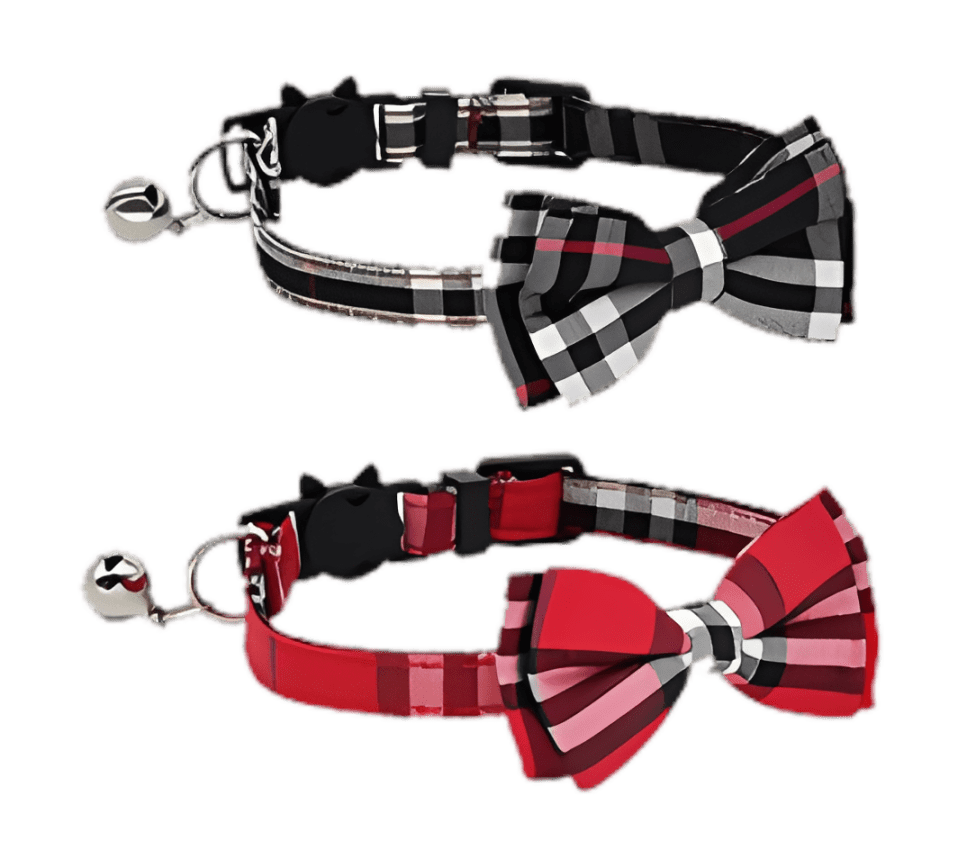
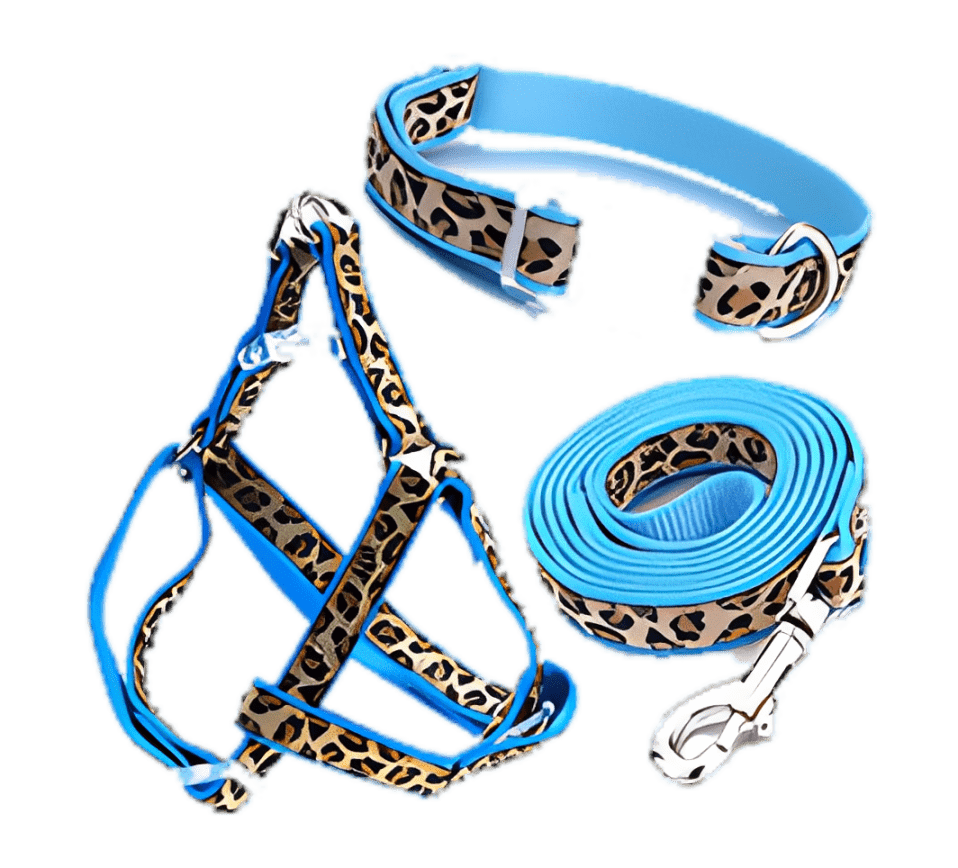
A small harness/collar/leash. They prefer the harness to start with, and then as they age, the collar becomes more practical. There are several to choose from.
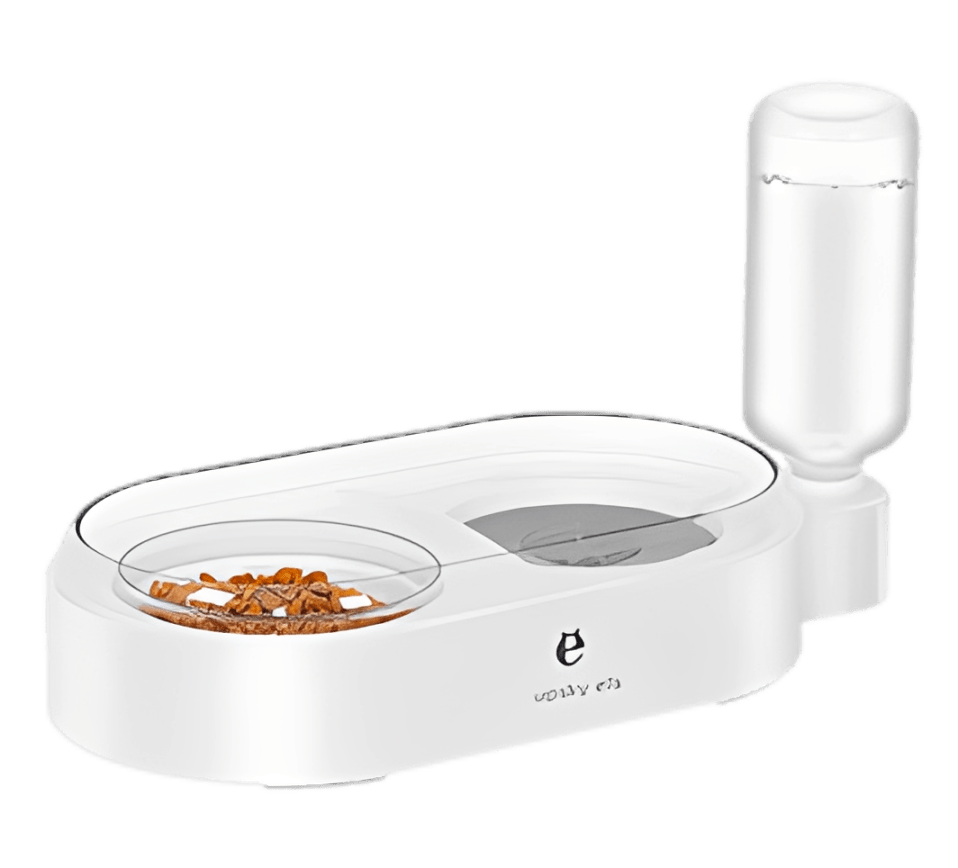
This food-and-water dish helps keep food out of the water. In turn, it is healthier for the puppy.
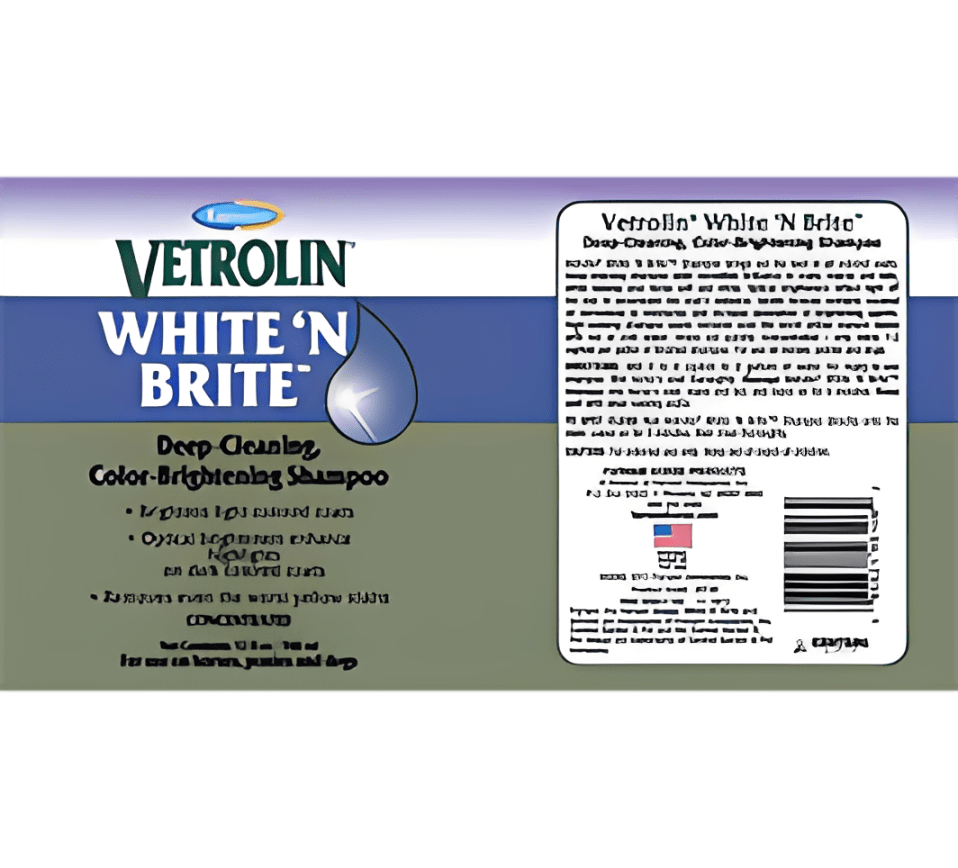
Your choice of shampoo is crucial. It should be one that will do the job on tough stains but will still be gentle on the eyes and skin. Being around a lot of animals, we need one that is versatile on both dark and light coats. We prefer White’n Brite shampoo as it is concentrated and removes stubborn yellow stains.
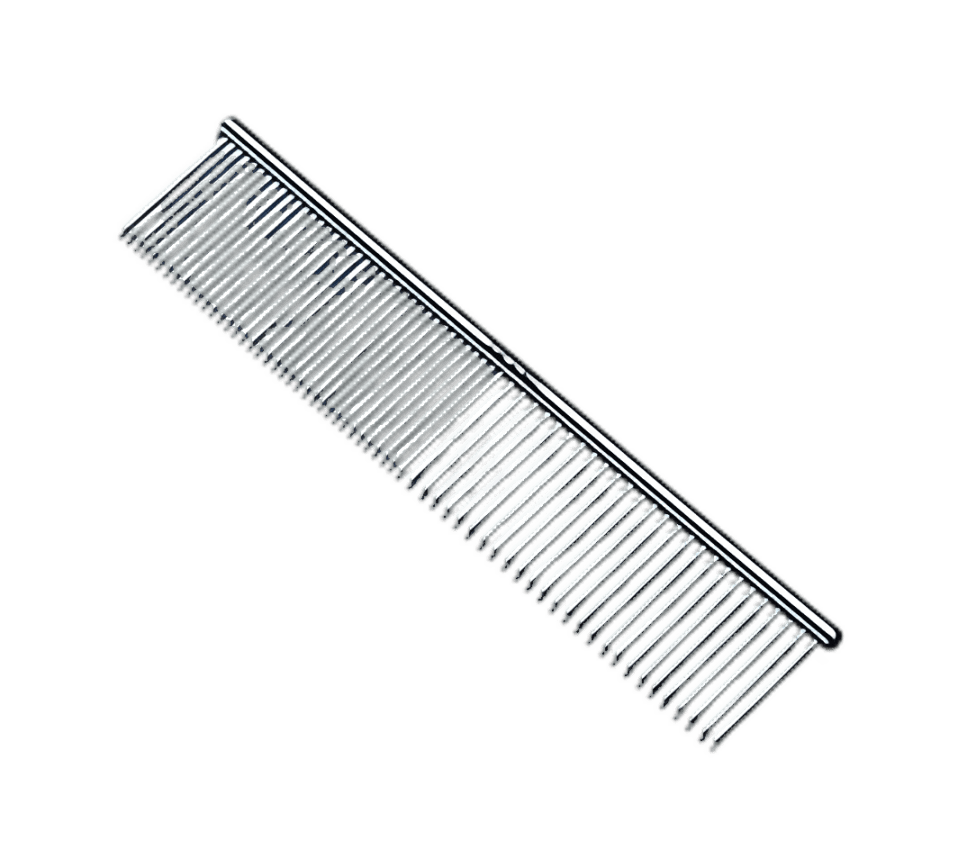
Keeping your baby free of tangles is important if you do not want him coming home from the groomers looking like a naked rat! A gentle comb through once or twice a week will make all the difference. We find that a comb does a better job than a brush as it gets down to the skin. We only use Greyhound combs like this one.
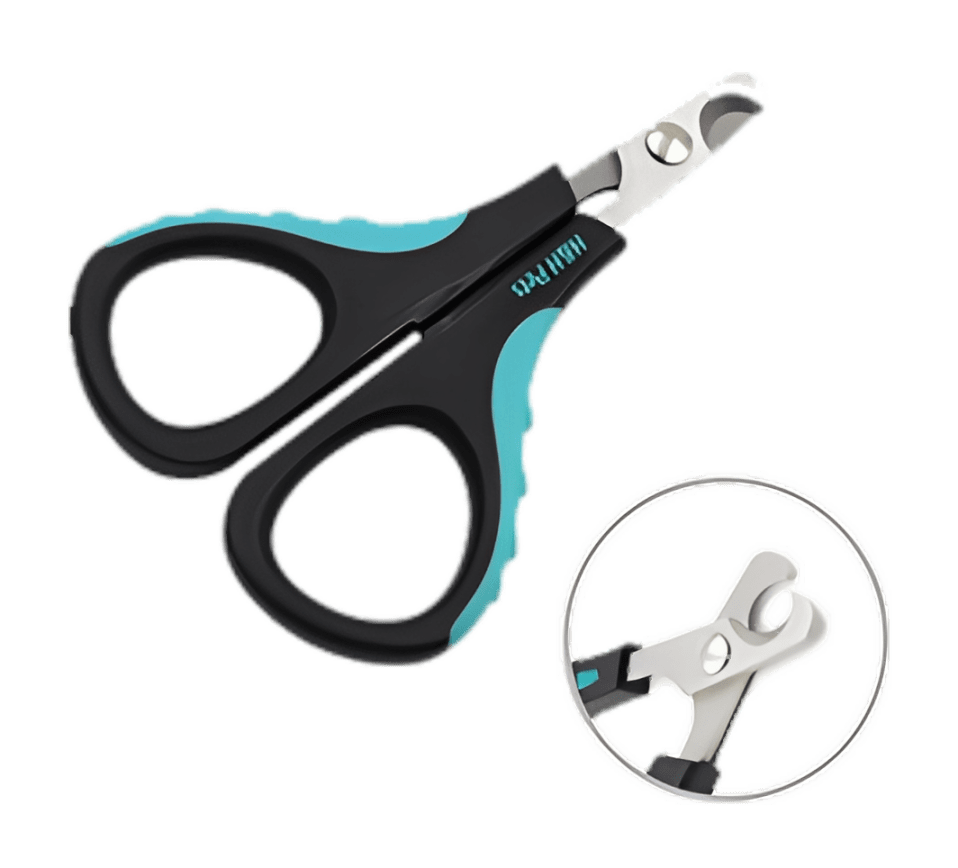
Toenail clippers (to clip his toenails every other week).
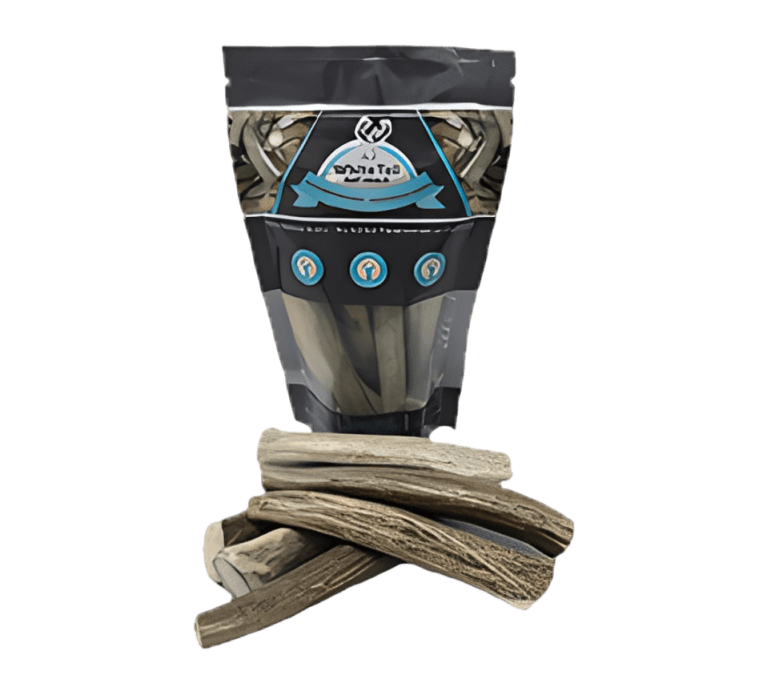
There are plenty of pet-approved things to chew on. If not, he may chew up your shoes/carpet/toes. We use and sell Antler Chews.
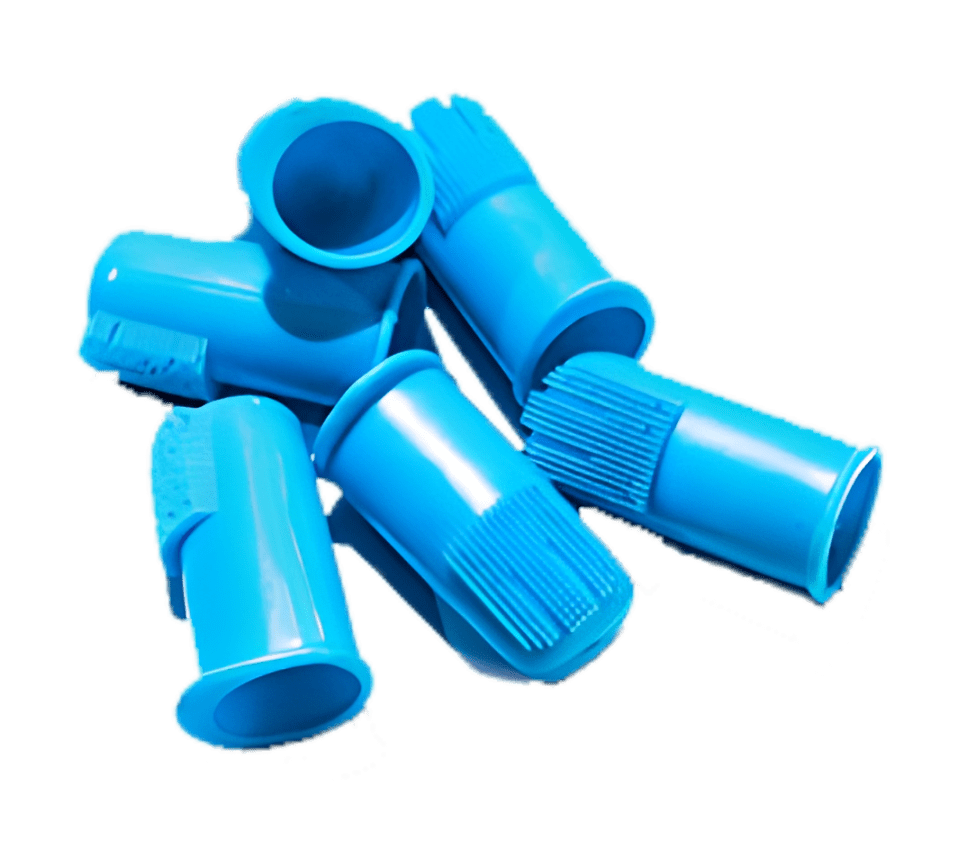
We cannot stress the importance of a dog toothbrush enough. This will save you hundreds of dollars a year if you brush his teeth instead of having the vet clean them. We sell fingertip toothbrushes for our young pups to learn to have their teeth brushed, even before all their teeth are in. We practice with them before they go home so that they are used to having it done. Please continue!
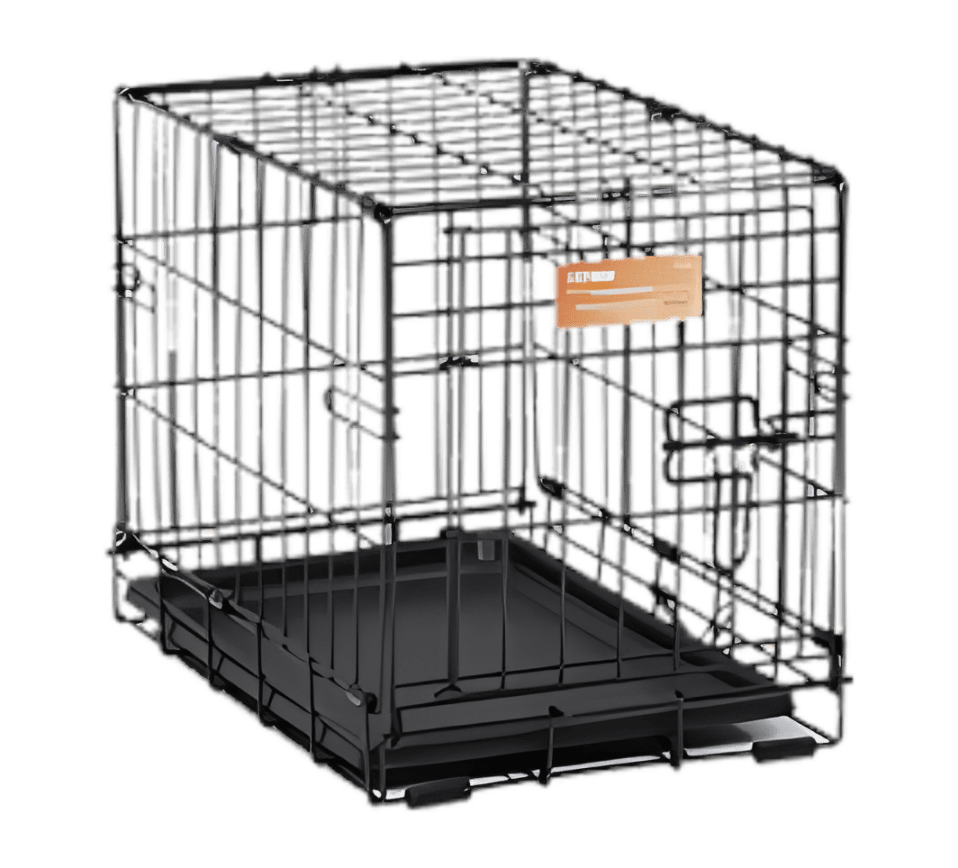
A small wire kennel for times of crating is critical. We strongly encourage you to give your new baby time in his new “den” or kennel. It is not a punishment but rather a safe place for him to rest. It needs to be large enough for him to sleep comfortably, but not so big that he can divide it up into a bedroom and a bathroom!
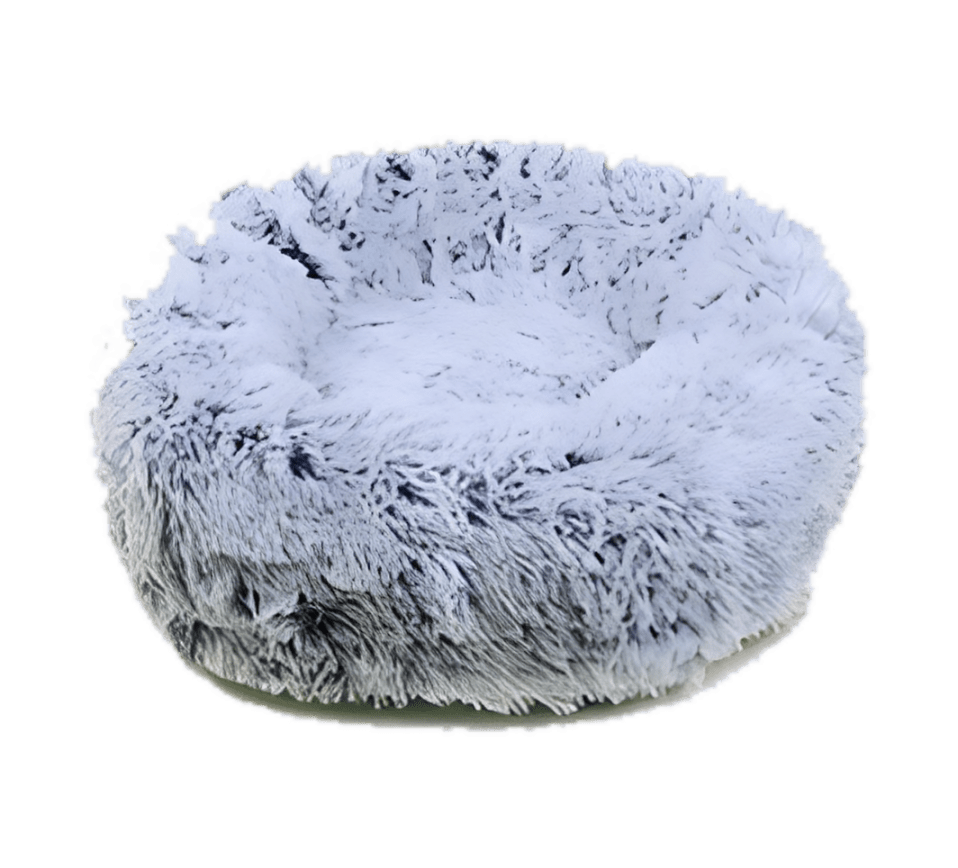
Keeping your baby calm in his new den can be as easy as the right bed. We highly recommend this bed, as it is designed to provide comfort and encourage being calm. It makes us want one in human size!
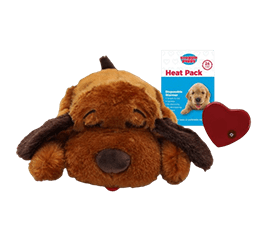
Depending on the age of your baby when it comes home, it may have recently been using a Heartbeat puppy to help adjust to sleeping without littermates. If so, you may want to purchase this little puppy, which has heat and a beat that makes your baby think it has a sibling.
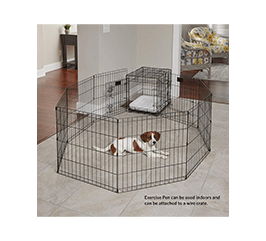
Giving your baby a safe place to “go” will help training be so much quicker. This will also make cleanup easy as the poop will not be scattered all over the yard. We use a portable x-pen because we can take it with us if we need to. We also suggest using it if you will be gone for a long time and your baby needs a place outside his crate. Check this one out.
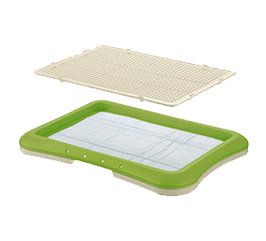
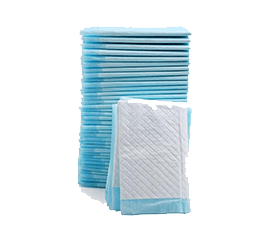
While in the x-pen, this puppy pad holder and puppy pads are a great way to extend how the puppy can comfortably be away from you. It is also a lifesaver at nighttime. The x-pen provides a contained area with a place for sleeping in the crate, a safe spot to play, and a perfect place to “go!”
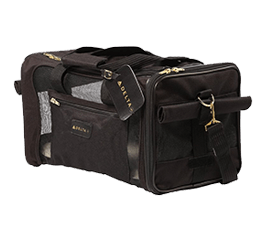
Lastly, when picking up your baby at the airport, you will need a carrier if you are taking him home with you on the plane. If we are delivering him to your airport, you will still want something to take him home in, and we suggest the same carrier that he arrived in. It is an “airline-guaranteed” carrier and will likely fit him for his entire life. It is our number one seller, and we have been using it for years.
Humans in a Schnauzer Body
Your new Miniature Schnauzer puppy will come home having been exposed to the sights and sounds of normal, everyday life. He will have been taken on car rides, played outside, and probably will have sat through countless hours of Netflix while being held by one of our grandchildren.
Miniature Schnauzers are very social dogs, and they do not see themselves as dogs—they really think they are human. They are part of the family, and so they want to be with you all of the time, whether you are going on a hike in the mountains or being a couch potato watching Sunday afternoon football.
Basically, they want to be your shadow no matter what activity you choose. One of our first Schnauzers wanted to be with us so much while he was a puppy that he would scratch on the outside of the shower until we would let him in! Later, he loved taking baths so much that he would run into the bathroom, jump into the tub, and wait for us to turn on the water.
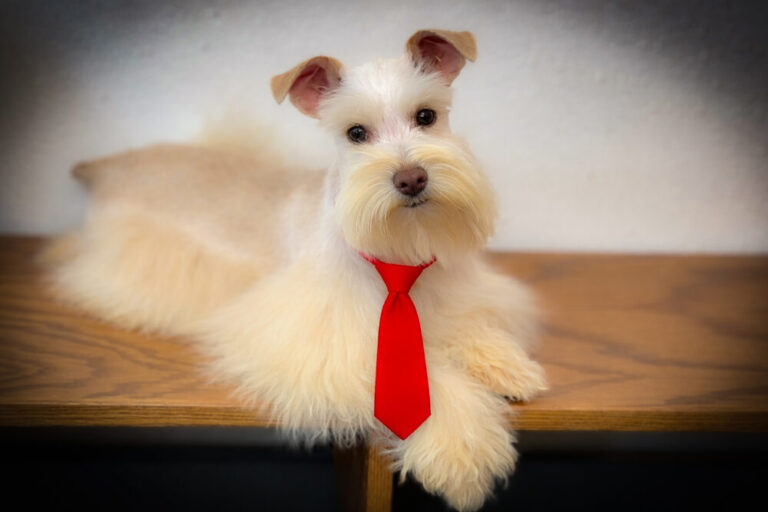
What You Need for Your Miniature Schnauzer
Your Miniature Schnauzer baby will come home with several things that will help the transition go a little more smoothly for you and your puppy.
- Small bag of puppy food (multiple brands for variety)
- Training information (kennel, house, leash, etc.)
- 30-day pet insurance (AKC)
- Sleep buddy to ease the transition (can upgrade to the Heartbeat puppy)
- Domestic/international microchip with certificate/transfer papers
- Toothbrush
We begin puppy pad training when the puppies are four weeks old. They learn to “go” on the puppy pad that is secured in a puppy pad holder at one end of their pen. In doing so, it teaches them to be clean and to never “go” on their bed at the other end of the kennel. This helps when it comes time to “kennel” train them.
At four to five weeks, we offer the puppies dry food and water. We develop the schedule early so that the transition from mom to kibble is easier on them. By six weeks of age, the puppies are on a routine and are ready to go potty outside after having their vaccinations.
Our Dogs’ Schedule
6:00 a.m. – Go outside to go potty
6:30 a.m. – Offered food and water
6:45 a.m. – Go outside to go potty
Play time…Play time…Play time
Nap time…Nap time…Nap time
12:00 p.m. – Outside to go potty
12:30 p.m. – Offered food and water
12:45 p.m. – Outside to go potty
Play time…Play time…Play time
Nap time…Nap time… Nap time
4:00 p.m. – Outside to go potty
5:00 p.m. – Offered food and water
5:45 p.m. – Outside to go potty
What to Remember
Potty Training
Nothing, nothing, nothing after this feeding (as long as they are old enough to go this long without food). Then, just before bed, take him out to go potty one more time. This will have given him time to get everything out of his system and make a more restful night for both of you. Then, put him in his kennel with his sleep buddy and place him where you would like him to learn to sleep.
Naps
It is helpful to have him take his naps in his kennel in this place, too, so he gets accustomed to it. If he struggles with being in it, have him take short “time-outs” in his kennel where he can watch you do the dishes, fold the laundry, or watch TV. This will help him feel safe and less alone, and also teach him to be content in his kennel.
Doggie Door
Our next training is doggie door training. We open the flap of the dog door and teach them to go out the door to go potty. They get fresh air and plenty of room to run and play while learning some valuable “house training” skills at the same time. This will make it much easier on you when you get your baby home. After about a week, we lower the flap and encourage them to go in and out. After that, training is a snap!
Microchip
Your new little Miniature Schnauzer will also be microchipped with an AVID domestic/international microchip before he goes home so that if he were ever lost, he could be returned to you. This is something new owners sometimes forget to do, so we take care of it for you when he is about three to four weeks old. The microchip is currently registered to Royal Schnauzers but the chip can be registered to the new owner, and so we will send the transfer papers along with his other paperwork.
We will also send his AKC registration along with him (or mail it to you).
Vaccinations
You will also want to keep your puppy up to date on his vaccinations and worming schedule. This is something you should discuss with your vet to determine an appropriate schedule based on the age of your puppy and the area you live in. We use Drontal Plus Puppy Taste Tabs and PPM tabs. You can pick those up at your local vet office.
Keep an eye on the website for new pictures and videos. They are updated weekly.