
Extra Observation
Small puppies need closer monitoring

Healthy Bodies. Confident Hearts.
Lifetime Companions.
Micro, Teacup, and Toy Schnauzers are affectionate, intelligent companions that require a little extra attention during their first several months of life. Their small size makes them more vulnerable to certain conditions, but with proper care, they thrive and live long, healthy lives. At Royal Schnauzers, we closely monitor our puppies from birth and work hard to ensure they get the healthiest possible start. The following tips will help your puppy continue to flourish after coming home.
Small puppies need closer monitoring
Frequent meals help them thrive
Keep them cozy and safe
When in doubt, contact your veterinarian
Hypoglycemia is the most common concern in very small puppies. Because they have limited energy reserves, skipping meals, stress, illness, excessive exercise, or getting chilled can cause blood sugar to drop quickly.
Because of their tiny size, small puppies can become dehydrated much faster than larger dogs.
Always provide firesh water and contact your veterinarion promptly if vomiting or diarrhea lasts more than a few hours.
Tiny puppies don’t realize how small they are. Help keep them safe by:
Mary injuries in toy beeeds are completely preventable.
Small puppies lose body heat quickly.
A warm puppy is a happy, healthy puppy.
Toy breeds are more prone to dental disease because their teeth are crowded into a smaller jaw.
Good dental care contributes to overall health and longevity.
A new home, new food, travel, and excitement can temporarily upset your puppy’s stomach.
If diarrhea persists beyond 24 hours or your puppy becomes lethargic or refuses food, contact your veterinarian promptly.
Until your puppy has completed their vaccination series, avoid areas where unknown dogs frequent, including:
Safe socialization with healthy, vaccinated dogs and trusted friends is encouraged.
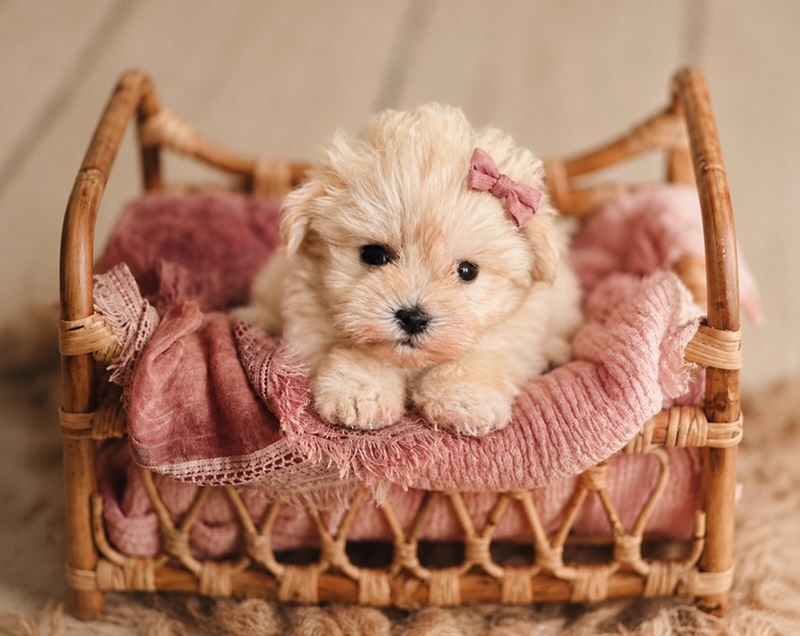
Micro, Teacup, and Toy Schnauzers simply require a little more observation during puppyhood. Most of these extra precautions are temporary. As your puppy grows, gains weight, and matures, they become much more resilient. With attentive care, proper nutrition, routine veterinary visits, and lots of love, your Royal Schnauzers puppy will have every opportunity to enjoy a long, happy, and healthy life.
HEALTHY
PUPPIES
HAPPIER PEOPLE
BRIGHTER
TOMORROWS
….kids and other dogs. I walk him in the evenings and he is a social butterfly. His markings and coloring are stunning (charcoal with silver/white), so he gets lots of compliments. I love his conformation, too, but the highlight of owning him is his personality. I think his start with your kids loving him has made him the perfect pet for us with 21 grandchildren to love. I tell anyone who is looking for a family pet to consider a schnauzer, and if they decide on a schnauzer, to call you first.
Jo
UTAH
….and they don’t seem to mind the collars and leashes. They are adorable and we are already in love with them. They love their crate. It’s really big and furnished with a comfortable bed, toys and two soft baby blankets. They are very quiet… Zoe let out a few barks in the car and Addie barked a couple times outside when they were running around together. Thank you so much for loving the puppies the way you do. One can tell that they are used to people and children. We feel so lucky!
Teresa
TEXAS
….as if he was especially made to fit perfectly in our little family. I find it so amazing the loyalty little Gogi has shown to my little boy since day one. He is always looking out for his little buddy, and in the few times I have seen my little boy get a little rough, Gogi seems to understand and is so gentle and patient with him. He is the sweetest pup I have ever met, and we love him tremendously. Thank you for everything, and your kindness in bringing our newest member of our family home.
Love,
Melanie
UTAH
….Great.
We love her and already miss her whenever we are away from her.
I will send pictures of her very soon.
Thanks so much for all your time and love in making such a precious little friend.
Kelley
SOUTH CAROLINA
….and your family did socializing her in her first few weeks of life.
You did an excellent job helping us with the difficult job of picking the puppy from Candie’s litter of seven. You had Koda well socialized when we picked her up and she has remained that way. She travels well and where ever we go people just fall in love with her.
Please give Candie a special hug and thank you for us. She is a great mother.
Lee & Helen
UTAH
….cute pics! My 4 yr old Marshall thought it would be a good idea to put her in the tub with him. By the time I caught them there was water all over the bathroom! She is in love with my baby Tommy and even crawls in the car seat with him and goes to sleep! She is sooo patient, with the baby especially. I call her my little momma. We absolutely LOVE her and you probably haven’t heard the last of us! Keep us in mind the next time you get a platinum silver toy boy! Thanks so much!
JC
Utah
….in my lap totally exhausted! That was the last time I have seen the boy sleep! Boo Boo is as cute as he should be and those eyes just melt your heart no matter what he may have gotten into. The pictures you sent before we received Taboo made us feel like we had known him from birth. I will definately purchase another dog from Jamie again!
Court
TENNESSEE
….a conversation starter when people come over! He is so smart and it is amazing how quickly their unique personalities develop. He knows when it is time to eat, go outside and even where his treats are. lol I bribe him and Lilly with treats when it is time to come in from playing outside. And of course now I have two dogs sleeping in our bed but they are wonderful. I can’t thank you enough for having such a loving touch with your babies.
Thanks again,
LaDonna
OKLAHOMA
….breeze. To this day he has not had an ‘accident’ inside! Oscar is a charming and social puppy with a beautiful coat. We love taking him out for hikes in the mountains and playtime at the dog park. People are always commenting on his stunning markings and lovable nature. His quiet yet playful temperament make him the perfect office companion, and all of my clients marvel at how well behaved he is during conference room meetings.
Thanks,
Brent + Pip
NEW ZEALAND
….is intrigued nor scared of Bettina – Bettina is a little hesitant, all-the-while keeping a close eye on Katja at all times 🙂
Katja is eating healthfully and has even give some mild interest in checking out Bettina’s kibble.
She has gone potty all but one time outside.
Katja is much loved and the girls barely leave her alone enough to have free playtime.
More later,
Randy and Kim
ARKANSAS
….out, take pictures of him, and want to take him home….he is a little celebrity! We were so fortunate to have found Royal Schnauzers. Jamie has been so good to us by answering questions, keeping us informed on Max’s progress from birth…and sending darling pictures of him so we could watch him grow and progress. She has been very thorough and efficient with all of his documents, shot records, etc. She truly cares about what kind of home her puppies are going to. He is 8 weeks old now and we can’t imagine life without this little guy!
Thank you Royal Schnauzers!
Kathy
CALIFORNIA
….Stickers are best friends for my four kids! Your facility is top notch and your dogs are all very happy and well taken care of. I am always amazed at the length you go to for your dogs and the time you spend socializing and training is fabulous. We will always go to Royal Schnauzers for our next pet.
Thank you,
Meghan
Lucky7Schnauzers
UTAH
….just melts at how lovely and unique he is) but he is one of the sweetest AND smartest dogs I’ve ever known—so beautifully socialized and patient and eager to please! What a love. My daughter is smitten, my husband is charmed, and my two-year-old son alternates from safari spectator to lion tamer—”Jacob” taking it all in stride. I can’t begin to describe how integral he’s become in all of our lives in such a short time.
Thank you! Thank you! Thank you!
Dani
FLORIDA
….name right! She’s healthy, fearless, rambunctious and affectionate ❤️ It’s kind of like having triplet toddlers around the house 🏡 She’s grown some and eats well, but sometimes she leaves part of her meal but seems to make it up at the next meal!
Thanks formy sweet puppy!
Lynellen
CALIFORNIA (July 2020)
….personality.
Royal Schnauzers has given me the most top notch puppy you could ask for and everything Jamie told me about her personality, size and temperament were spot on.
I get so many compliments on our little Rosie. She’s 5.6lbs and now 8 months. She’s made such a difference for us.
Dawn and Bella
FLORIDA (February 2020)
….is fiercely protective of us! She is so loyal and smart! She gives the best doggie kisses and is always so happy to see her humans!! Everywhere we go people want to hold her and love on her. She isn’t very fond of a hair dryer😂 She wants us to sit in the kitchen with her while she eats!! I’m thinking she is very spoiled!!! We are so happy she is part of our family.
Hope y’all are doing well and staying healthy!
Lisa Hall Family
ALABAMA (JUNE 2020)
…. she was exhausted from the trip to her new home. She seems to be adjusting to her new home very well! Our cat doesn’t seem to be adjusting quite as well. It is going to take some time for her to be happy about our new family member. The kids just love her! They have enjoyed showing her off. They have a hard time leaving her alone long enough for her to nap. She is such a little sweetie and we are so in love with her already! Thank you for such a great puppy and all of your support through the process of getting her. We would highly recommend ‘Royal Schnauzers’ to anyone who is looking for a great schnauzer.
We’ll be in touch,
Holly
WYOMING
….ANGEL!!!!
Ghiradelli is SOOOOO SOOO TINY!! She is ALWAYS in my arms and snuggled up to me! I carry her everywhere!! ha ha ha……I think she enjoys the spoiled life and I will give her that for sure. She is doing sooo outstanding on Potty Training. At night I just put her in the X-pen that has her bed, toys, water, food, and 2 huge potty boxes. Then during the day she is always with us. So it’s working out sooo nicely and she is sooo dang adorable!!!
I am SOOO in LOVE, LOVE, LOVE WITH MY GIRLS!!!!!!!! I can’t thank you enough for blessing me with the 3 of them!!!!!!!!
Niney
SpoiledRottenSchnauzers
UTAH
…. brought joy back into my life! I have to thank you (family included) and all the hard work you put into these puppies. I bought a puppy apartment from Modern Puppies (potty training for puppies) and it was like she already knew how to use it. I’ve been blessed. She loves car rides, Dr. Oz the T.V. show and everyone she meets. I took her straight to the vet after picking her up at the airport and she walked around the place like she owned it (priceless). Dr. Cantwell her new veterinarian just loved her to death. Got a clean bill of health. That night I put her in my lap to check my email and she put both paws over her eyes and keep them there to let me know it was time to go to bed. I love her so much. I think she will be training me instead of the other way around.
Thank you,
Tiffany
NEVADA
….developing a good pet.
This little boy hit the ground running & playing. He is very affectionate, yet independent to play on his own. He has slept all night, there has been no whining & its apparent that housebreaking had been started, we haven’t had an accident yet.
His build is a true schnauzer & I can’t stress that enough. The quality behind him is there.
I really enjoyed working with Jamie & should I want another baby, I will go back to her. She is doing it right.
Sincerely,
CJ
OKLAHOMA
….a big personality.
She has been easy to train even though we live in a condo. (We just bought a new home and Lucy will now have her own backyard!)
Jamie answered all my questions and her husband delivered Lucy to me in San Diego, even in the mist of this pandemic …
I have recommended so many people to “RoyalSchnauzers” because Lucy came to us so socialised and healthy…
Thank you!
Bunni
CALIFORNIA (May 2020)
….there to answer any questions I had and gave me advice on how to properly care for our baby. When we had issues traveling to pick him up, she made sure he was delivered to us with no issues at all. Even crunched on time her husband Marvin still took time to go over all the papers and feeding instructions with me at the airport. Our boy is tiny, perfect, very well socialized and of amazing quality! He is the sweetest and most affectionate puppy and even came to us knowing to potty on the pee pad! Incredible!
Lindsey Bruner
Texas (December 2020)
….each other in the airport parking area under a shaded tree. Where I took his first picture. Right off the bat, Snickers greeted me with loving kisses that’s when I truly knew he was a well socialized puppy and given special loving care. Then he drank some water and ate a bit of your special blend kibble mix you sent with him. After about twenty minutes of getting to know each other we loaded into the car for another three hour trip home. He did fine on the car ride as well. Once we were home he check out the backyard for a well needed potty break. He came in and was full of energy so excited to check out his new home and ran over the house. He really has adjusted to his new home in Texas without any problems. He is truly a Royal schnauzer. He is playing a lot with his new toys, eating, drinking well using puppy pads. What a very smart little boy! He really likes those new no stuffing Fox and Raccoon toys.
Thank you for a healthy, wonderful, well socialized and loving Liver/Tan schnauzer puppy.
Joseph
TEXAS
….scared or skittish of things. From the vacuum to the big city noises of Vancouver, B.C. he is at ease. He is socializing with others but he knows who his owners are and always keeping close to his pack. At almost 15 weeks, he knows how to sit, lay down and fetch. He is being trained on a daily basis and he will be going to puppy obedience next week. Everyone he encounters wants to take him home with them and the comments that we get about his looks, hair cut that you gave him, and colour are amazing! He has fit in to the family with ease and our precious female pug adores, protects, plays and cuddles him. Again, thank you for such a wonderful, loving, attractive Schnauzer and always answering our questions and taking such great care with your dogs.
Cathy, Gail, Bella ( the pug) and Heffner
VANCOUVER, B.C. CANADA
….blessing. You were so helpful with all our questions and there were “ a lot” 🙂 and not once were you not available smart because training him is the easiest I ever had. Louie is a fast learner. We have him only now for 7 days and he can already sit, go down and dance on command and he poses for pictures.That’s in my book awsome. We are so thankful for Jamie and Marvin, for all the work that they put into those amazing little babies. We always say, this is the last one for now….we will see :)…..
Thank you
Matt & Rahel
Arizona (July 2021)
….a treat. She knows sit and down. She follows me without a leash for her walks and she is house trained already. I bought 150 puppy pads to cut in half for the tray. We only used four pads.
Can you tell I groomed her? She loves her bath and sits quietly while the water runs over her. However, she is a two person clip because I’m just not that coordinated.
Anyway, just wanted to say we love her more each day. Thank you so much!
Kim
FLORIDA (April 2021)
….play fetch and accompanies our family EVERYWHERE! Some may say she is spoiled but really we feel spoiled and so overly blessed with this dog. We waited a long time to get a new dog for our family and Lola has been worth the wait. We had shopped around to ensure we were not getting an overbread dog line and we are glad we did. Jamie was quick to answer questions and send us videos of her. Yes, there are other breeders you could purchase from for less money, but it came down to quality and we are very pleased with Jamie’s dogs! Thank you Jamie for our wonderful dog!
Love,
The Laskey Family
GEORGIA (July 2021)
….She has been such a joy and a wonderful addition to our family. She is so funny, very talkative and boundless energy!!! Her little brother Jasper, I say little because Ruby is quite the burly little girl 😊, tries to keep her in line but she definitely has her own mind!
Can’t thank you enough for making this possible for us and so quickly, in the middle of the pandemic you made it happen and we are very grateful.
Much thanks,
Terri
NEVADA (October 2021)
….them. They have the most wonderful temperaments and the thickest most luxurious coats. They love cuddles as much as we do and are just a delight to be around!
Jamie and her team have been wonderful and are really on top of all the requirements for travel. They helped with all the arrangements to get our babies here to us in Hong Kong.
We honestly couldn’t be more in love! We are so happy to be part of the Royal Schnauzers family! Thank you so much for all 3 of our babies!!!
Veronica
Hong Kong (January 2021)
….girl, Tiki!
We love them so much and they are having a ball with each other. They are just what we ordered and much more, Tiki is just what you said she was and Tome is quite the little man and so handsome and looking more like his Daddy Zumie everyday! And Tiki has the sweetest face and eyes of her beautiful mother Paris.
We just appreciate you so much for making it possible for us to follow their growing from day one up to the day they were put on the plane for Houston, Texas! We especially want to thank you for having all those great parents of these little dolls for people like us to love and enjoy, as it makes our hearts sing. Tome and Tiki are the Stars here at the office, as well where ever they go. It has been a great pleasure knowing people like you, Jamie and I hope one day we will drive up to see you as you are a very special person to us! Thank you! Thank you!
Much love
Dee & C.J
TEXAS
….Schnauzer, Rookie, when his kidneys failed. When we had to say goodbye, it was heartbreaking.
After a few weeks, we had to decide if at 63 years old, we wanted to take on another puppy and so, we decided in the positive and contacted Jamie at Royal Schnauzers. All of our communications were honest, forthright and a few weeks later, we purchased a 6 month old female parti colored Miniature Schnauzer from Royal. Dixie is now a beautiful grown up 10 pound adult now. She is the clown in our new pack! Being stupid, in August, just two months later, we contacted Jamie again and purchased a 5 month old male liver and tan. He is my new “Wingman”. Gabriel comes in to work with me M-F and almost never leaves my side. Both of these kids are very dear to my wife and me. They both filled that gap that we had when we lost Rookie and we thank God for the people at RoyalSchnauzers, they are the best!
We can say without any doubt that dealing with RoyalSchnauzers is the ONLY way to go. Their Mini Schnauzers are very healthy, they deliver them right to your waiting hands at the airport, and they five you all of their health info, shots, care and feeding instructions, and are ALWAYS ready to answer any questions after delivery.
If you are having ANY questions or doubts, please push them aside and if you do want a Miniature Schnauzer, Royal and their pack are the best there is.
Dan Kordik
CALIFORNIA (June 2018)
….it from the meaning of his name. He is doing wonderful… I am so impressed with his demeanor and personality and just how calm he is compared to most puppies. I give you and your breeding techniques credit for that. I have so many compliments on him when I take him places. He has gone to Petsmart several times among other places. I even bought a “doggie purse” for him. He is still getting used to being in it. He is so quiet while in the purse that other people probably do not even realize it. I have not found one person that does not like him and think he is adorable. I even recommend Royal Schnauzers to people when they ask where I got him from. He has most certainly been an ice breaker and conversation starter. Many people have told me that we will love having a schnauzer because they either had one or have one and they are wonderful dogs. I could not agree more. I have enjoyed him so much that I have been trying to talk my husband, Stephen, into getting a female teacup/tiny toy in the future. I just can not say enough good things about him. I honestly did not think I would get this good of a response from family and friends and they have all surprised me, especially when they see him.
God Bless to you, Jamie and your family!
Sharon
TEXAS
….the street and asking where we got such a magnificent Schnauzer! Everything you said was exactly on point and MORE! My wife was hesitant about getting a dog and he has already become her favorite! They are together every single second cuddling and just playing together. Sherman house trained, crate trained and even leash trained in one week! We all fight over who will be spending time with our new family member! The kids are obsessed with him and we cannot believe that we lived without him!
What meant the most to our family was both of you! At the time we were looking, you had no puppy litters and intended on keeping Levi (original name) for your grandkids but knew how badly we wanted one of your pups! We were novices and you explained everything to us and how Sherman would be perfect especially since he was a tad bit older (4.5 months) and already with kids. We asked to have Sherman by Easter and you both spent countless hours searching for flights during this pandemic. After a few flight cancellations, Mr. Marvin risked his life to hand carry Sherman to our family arriving at midnight into the epicenter of the pandemic-JFK, NY. We know how important these dogs are to you and how important your customer’s needs are! He arrived so happy and eager to please! The dog is exactly what we expected and everything we discussed!
He is the best Easter gift this family ever received!
Thank you both,
Brian, Melissa, Kayla and Jack
New York (April 2020)
….angel.
Jamie, thank you so much for taking the time with us and answering all of our questions about Cam. You have been so understanding of the impact that dogs have on people’s lives and the emotions that occur when adopting a new furbaby after the loss of another. We also appreciate you taking the extra time to wean Cam using the honest kitchen food we planned to feed. We know that was extra work for you from receiving the package we sent, to measuring and mixing the right food:water ratio. Cam loves his food and we have had no problem with his GI system since arrival! I think this really was a key step to a positive transition to his new home. Thank you for continuing to answer our questions about grooming and training! My husband and I agree that it is clear you love your dogs and pups. You have clearly dedicated your time and (a lot) of energy to breeding schnauzer’s that have bright, fun and loving personalities as well as beautiful/handsome features. Cam’s eyes are stunning!! They are gray at times and other times blue. His coat is so so soft and full. Cam steals everyone’s heart as soon as they see him! We look forward to sharing with you pictures of all the happiness Cam brings us and the happiness we bring him!
Marvin, You are the best stork ever. Thank you for enduring a red eye flight across the USA to bring us Cam, especially during the covid pandemic. You were very thorough in explaining what we needed to know about Cam (5yr health guarantee, microchip, gut antibiotic, training, etc) but we especially appreciate the extra time you took getting to know us and sharing about you and Jamie.
We have been working with Cam since he was 8 weeks old and at 9 1/2 weeks he can confidently sit, potty on the potty pads, walk on a leash (w/o chewing the lead) and recognize his name. He knows how to lay down and go to kennel, however he sometimes needs a little help with these commands. He is a very smart dog and we look forward to teaching him all kinds of stuff!
Together both of you make doggie dreams come true. Cam was born a royal schnauzer and he will remain a Prince in our house forever.
Thank you and God Bless,
Paul and Michelle Kitzrow
MICHIGAN (Aug 2020)
… schnauzers. There is no other place like royal schnauzer where we put out trust in care and love for our fur babies. Louie is amazingly smart and obedient. I am saying you are amazing how much you care for your puppies and “US“ (puppy parents). When we saw Ginger and Bailey, we feel in love right away.
We were not sure if 2 were too much but you reassured us that they will be perfectly fine and that is true. They are growing by the minute, in size and personality. Their personality is amazing. So many people stop us on the street, stores, anywhere we go, to let us know that they have never seen such beautiful puppies. Which we agree!! We are Schnauzer owners for over 14 years and these 2 are the most amazing, beautiful, little guys we have ever seen. We love them more and more.

…. took Scout out of the carrier and when I first laid eyes on my little Scout he brought tears to my eyes. He was so beautiful and we made eye contact and he wouldn’t take his eyes off of me, it was meant to be. Scout has exceeded all of my expectations. And I love Marvin! He was so nice and calm and explained everything to me and answered all of my questions. You guys make a one in a million team!
Thank you, Jamie so much for answering all of my questions and for taking the time to socialize the puppies at your home. Scout loves everyone and freely gives kisses to everyone! He basically came potty trained, thank you, thank you. He is so smart, full of energy, happy, loving, playful all the things we love about puppies. He felt at home here in no time and he continues to love his heartbeat puppy and his big brother, Hudson. They are best buds. Scout follows Hudson everywhere! So cute!
I rate Royal Schnauzers infinity stars!!!! You guys are the best and your puppies are phenomenally beautiful. Their coat, personalities, temperament are all exceptional! Everyone who meets Scout is blown away by him! He melts my heart on a daily basis with his cuteness & personality! You have a customer for life!
Thanks again,
Lisa, Carl & Hudson
TEXAS (August 2020)
…have teacup and toy schnauzers and wanted one more tiny one to add to our family. There is nothing against the breeders we had purchased from in the past, but we had been watching your website and beautiful pups for over a year. We checked out all of your reviews and felt we could trust you with all the wonderful things your past clients had said. One main thing we were looking for was size. We know there are no guarantees, but several of your clients said you were spot on with with your estimate in mature weight. One of our other pups from a different breeder, was guesstimated to be 5 lbs at maturity and at 14 months we have a beautiful 12 lb. schnauzer. Love her and a perfect dog but larger then what we thought we purchased.
You can definitely see that time and care was spend with this pup. He is already potty trained which is a big help since we just moved into a our new home. He was comfortable with the other dogs from the time we brought him home. He is not to sure about the cat who loves to terrorize the dogs.
Thank you again for our Harley. We meant what we said about the two of you coming out for a visit. Dinner is on us!!
Larry & Gay Johns
Verdi, Nevada (October 2020)